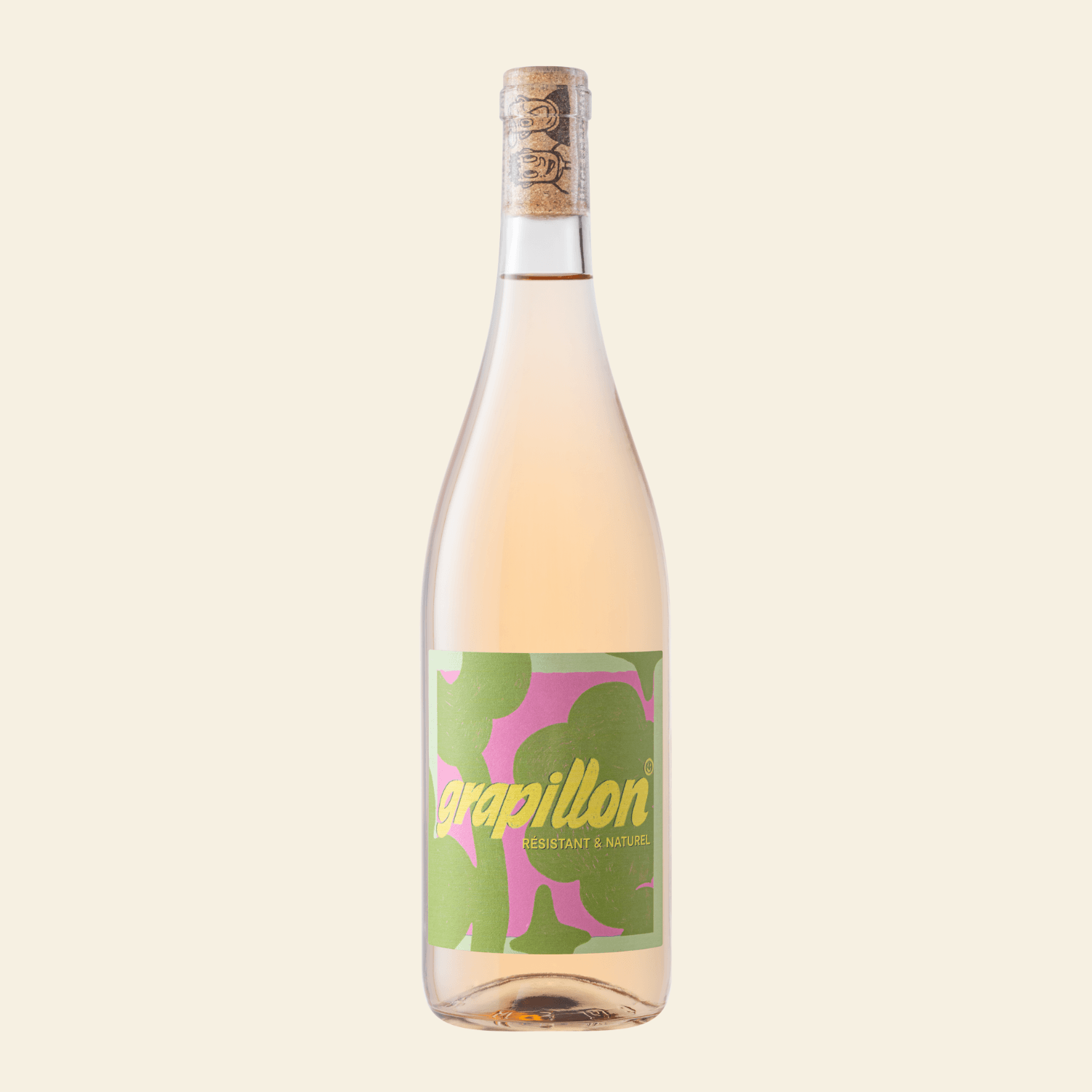
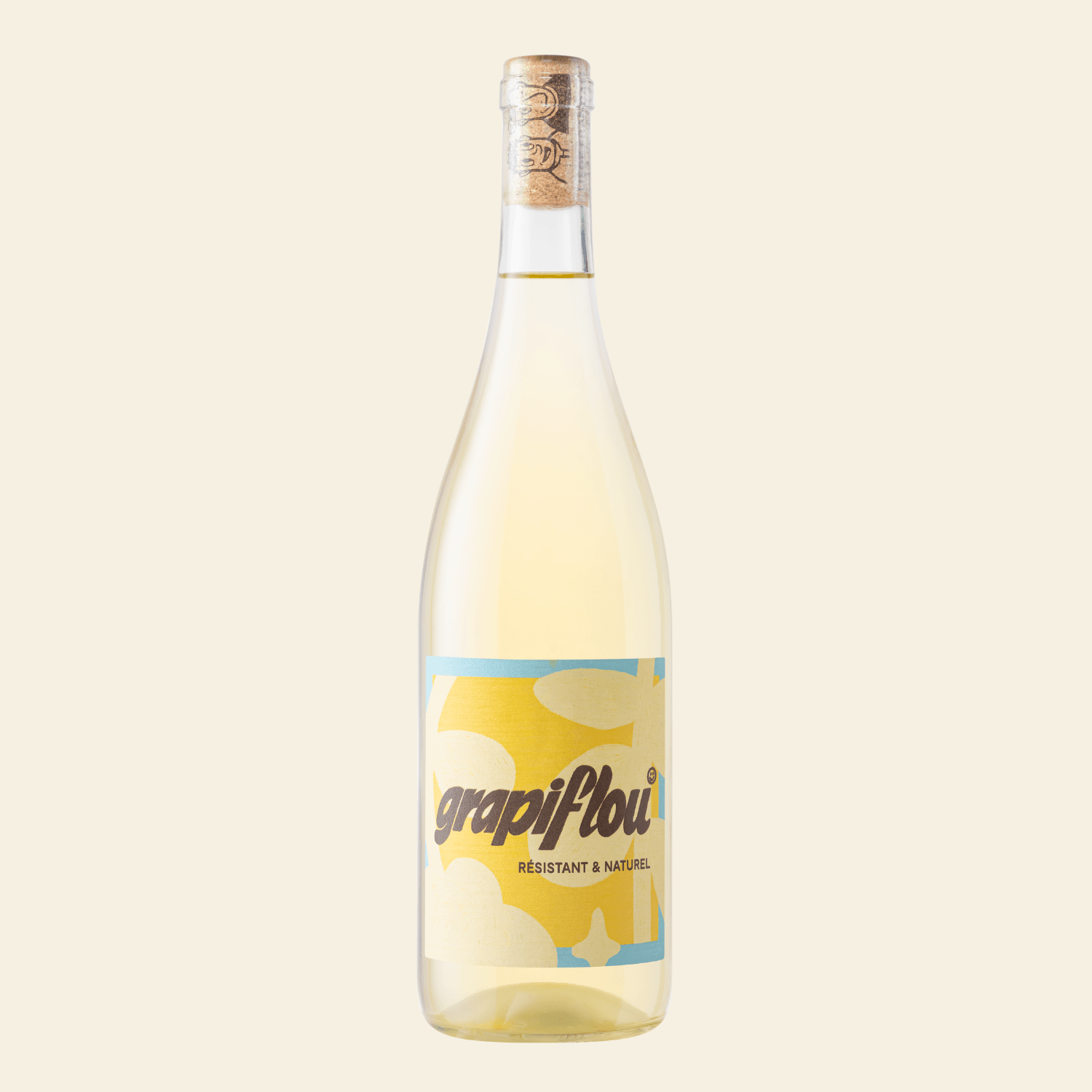
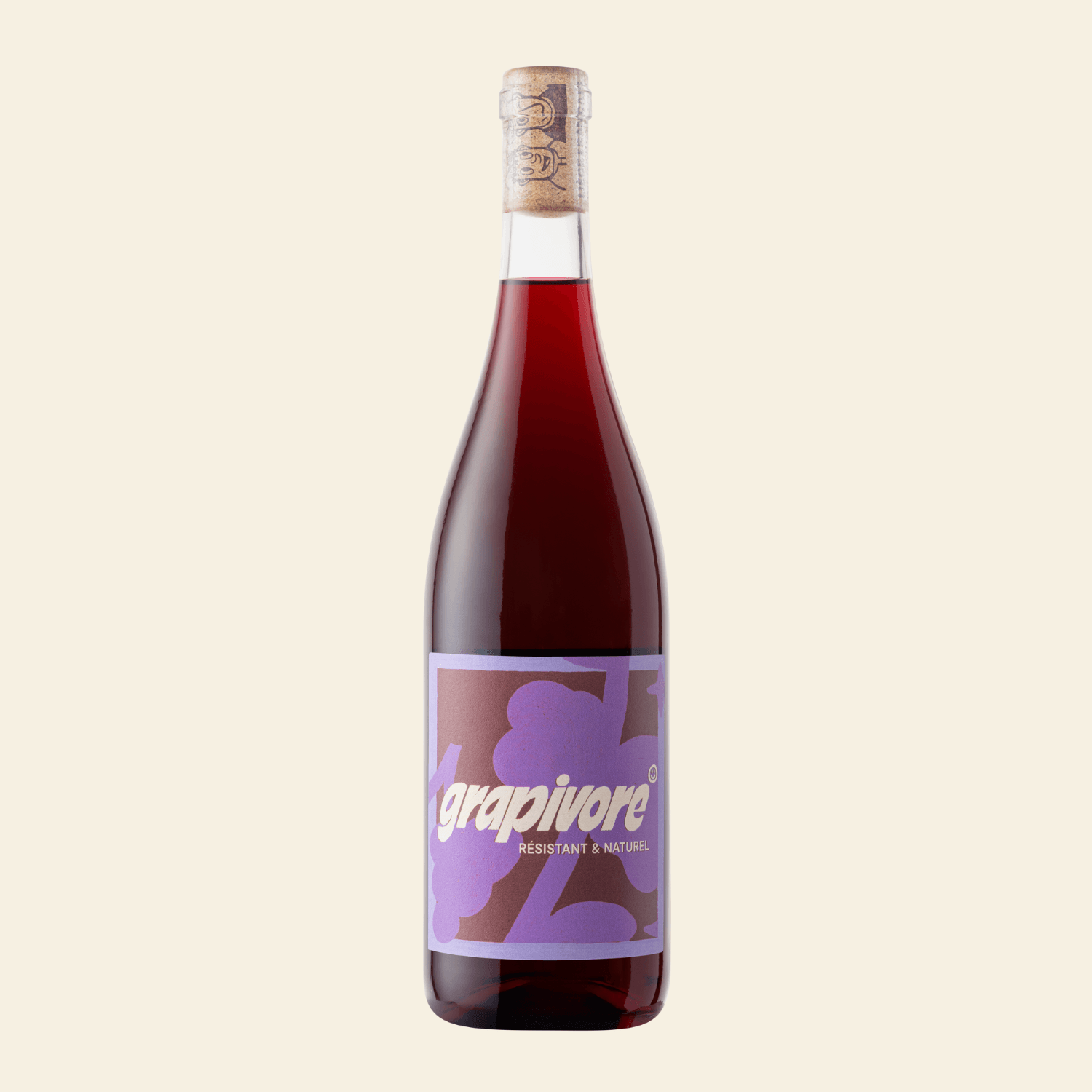
Our resistance fighters (View all)
Straightforward, intense wines, where the fruit expresses itself without artifice.
A lively, thirst-quenching natural sparkler that makes you want to keep on drinking.
Light, lively wines made with just as much care as the rest!Des vins légers et vivants faits avec autant de soin que le reste !
18,00 €
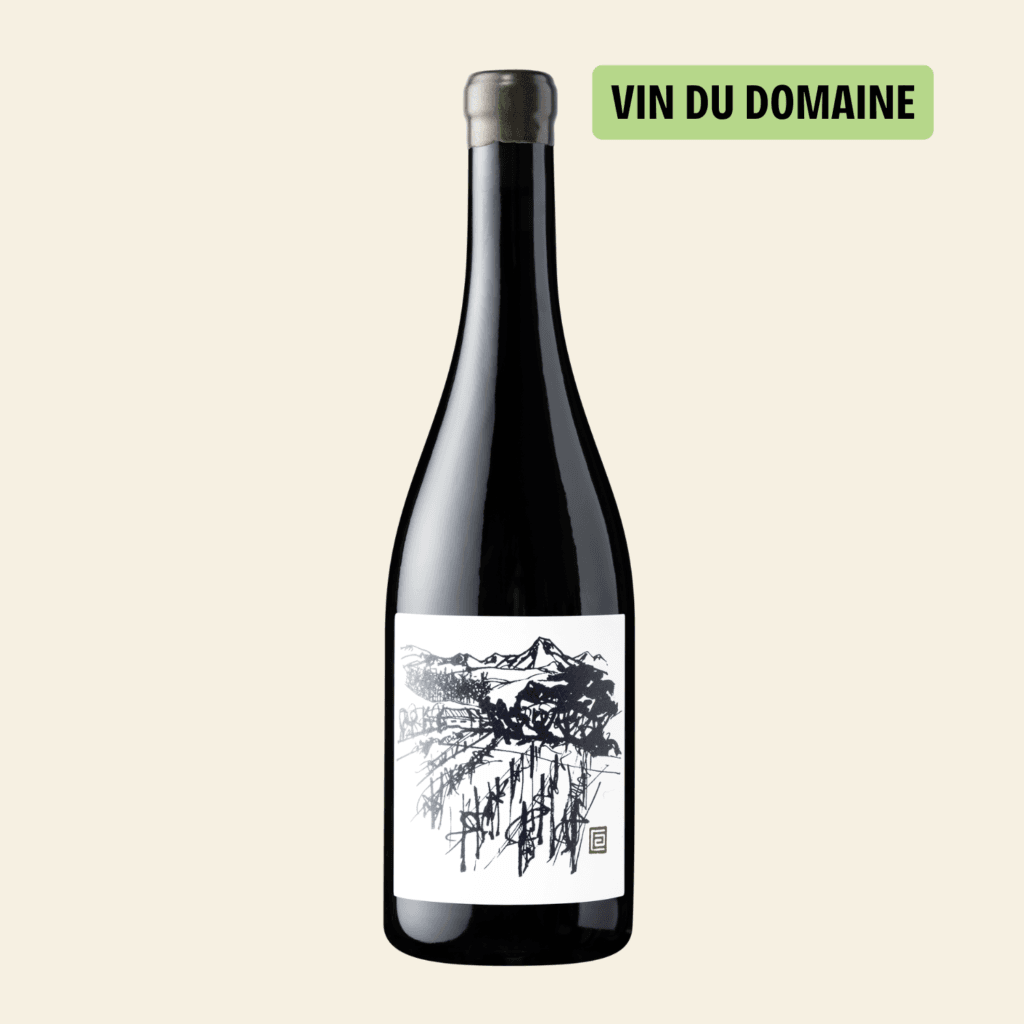
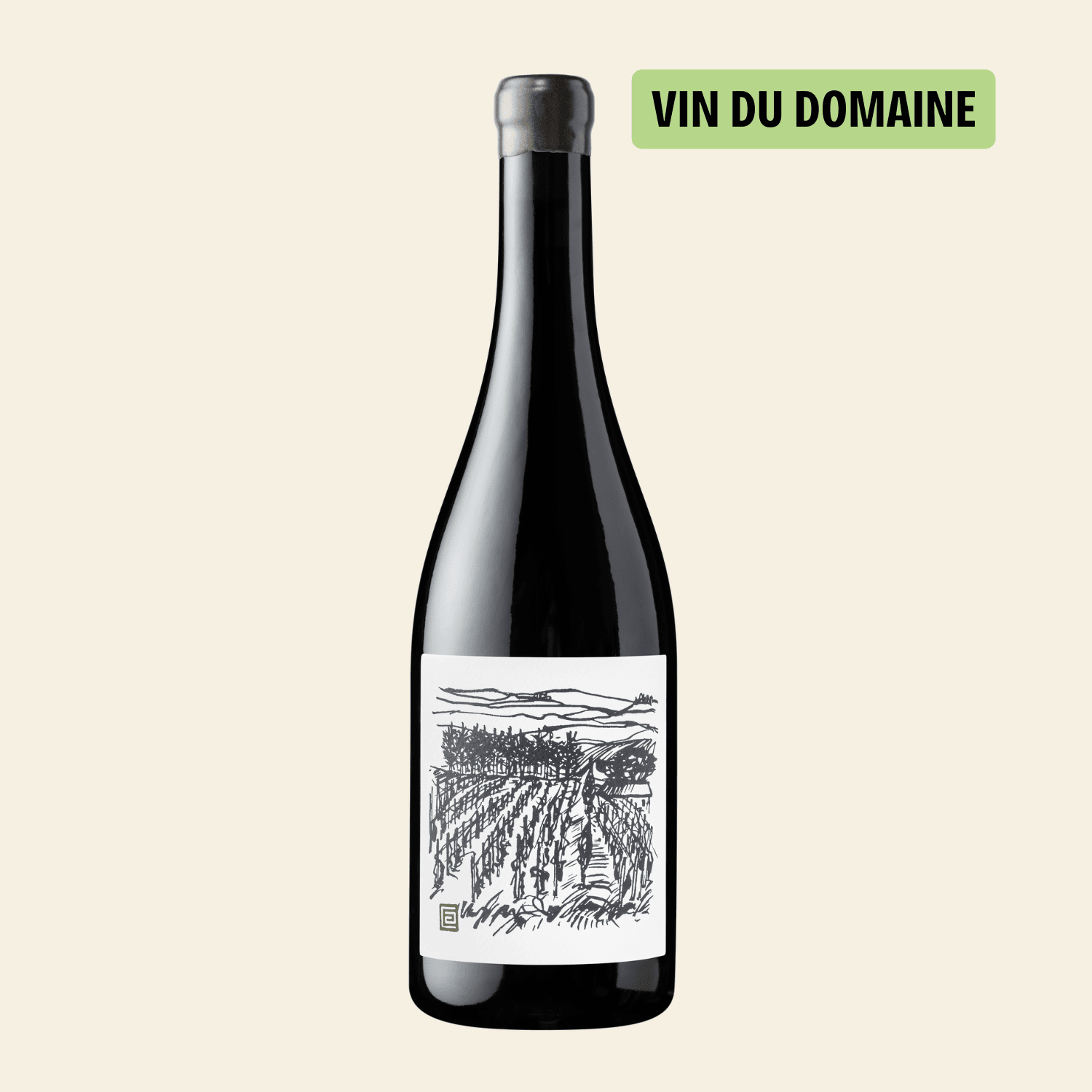
Le Rougé de René is a tribute to the light red wines of days gone by, shared simply and without ceremony around the family table.
Made from Côt grapes grown on a single plot at the foot of the family home, this wine offers a refined interpretation of the clairets and lighter reds of the past. Generous, vibrant and effortlessly drinkable, it reveals the full nobility of this historic grape variety through a fresh, honest and resolutely contemporary expression.
grape variety
vintage
capacity
name
alcohol
grape variety
vintage
capacity
Name
Alcohol
Varietal specificities
Côt, better known as Malbec, is a historic grape variety from southwestern France. On the terroirs of Stricou, it takes on a lighter, more delicate character than the traditionally powerful expressions of the variety.
Harvested at optimal ripeness and vinified with gentle extraction, it reveals vibrant, crunchy fruit, beautiful natural freshness and silky tannins. An authentic expression of the grape, balancing generosity and elegance.
Vinification & ageing
Half of the harvest is pressed directly, as for a rosé, while the other half is destemmed and traditionally vinified in stainless steel tanks. The two lots are then brought together for co-fermentation with indigenous yeasts, following a short cold maceration to preserve the vibrancy of the fruit and the finesse of the tannins.
The wine is then aged for 9 months in stainless steel tanks, with no oak, to retain the full freshness and aromatic purity of the Côt.
TASTING NOTES
Appearance: Bright ruby red with violet highlights.
Nose: Generous and delicate, with notes of fresh red fruit (cherry, raspberry and redcurrant), violet and a subtle hint of spice.
Palate: Supple and juicy, with beautiful freshness. Fine, silky tannins allow the vibrant, crunchy fruit to shine through, leading to an elegant and refreshing finish. A beautifully balanced red, made for pure enjoyment.
food & wine pairing
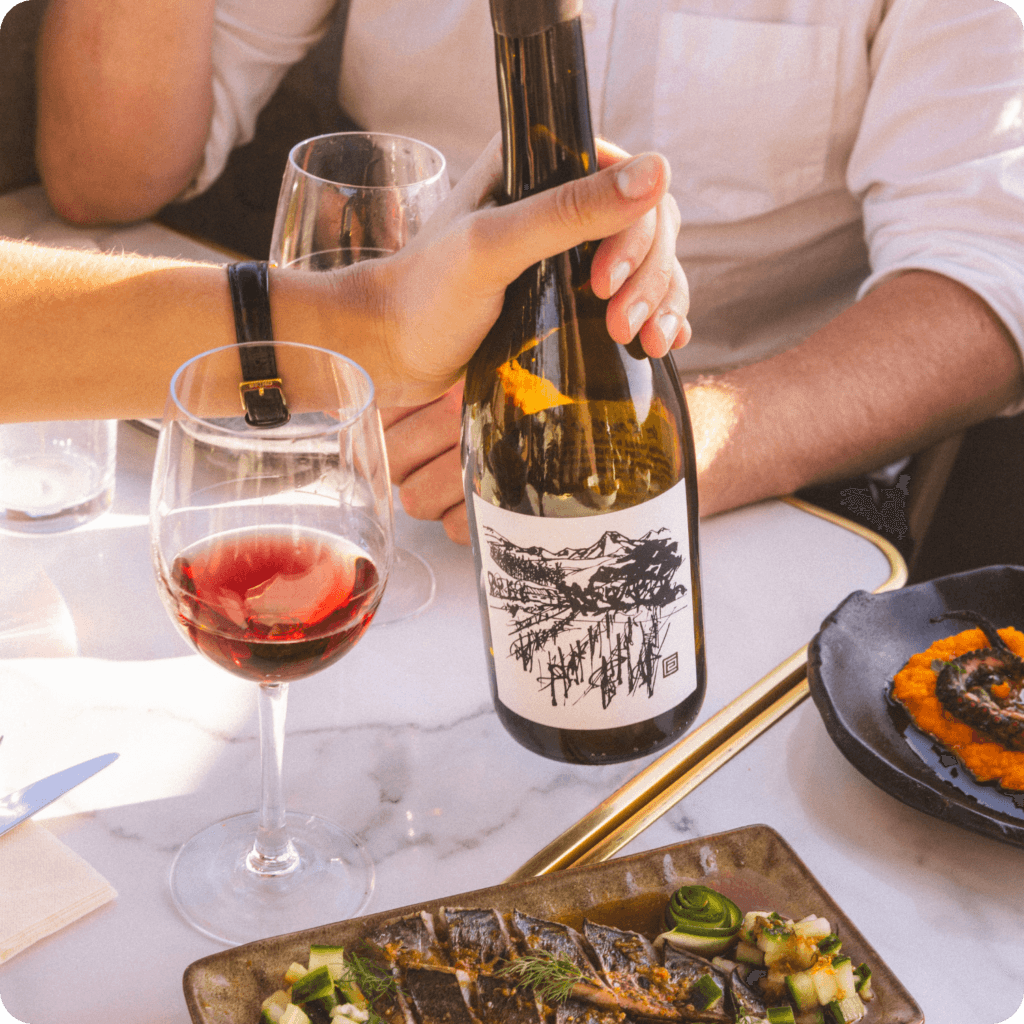
Le Rougé de René is equally at home with summer meals and lively gatherings around the table: wood-fired grilled meats and barbecues, artisanal charcuterie and terrines, mushroom tarts or grilled vegetables…
packaging
Bottled in the lightest glass on the market, corked with local cork from the forests of Roussillon, sealed with natural wax instead of an aluminum cap, and labeled with alternative fiber paper.
Ten times fewer treatments than organic for healthy vines and reduced ecological impact.
Alternative fiber labels, lightweight bottles and wax instead of plastic.
Native yeasts, zero inputs and zero sulfites for free, lively wines.
New hives to protect bees and preserve biodiversity.
EMBALLAGES ÉCO-COnçu
sans sulfites
bon vivant
viticulture engagée
apéro qui durent
Vins de demain
EMBALLAGES ÉCO-COnçu
sans sulfites
bon vivant
viticulture engagée
apéro qui durent
Vins de demain
Recommendations
La Faq
A resistant grape variety is a natural cross resulting from manual pollination between a European vine (Vitis Vinifera) with recognized oenological aptitudes and a wild American vine (Vitis Rupestris) resistant to the diseases powdery mildew and downy mildew. A kind of super-organic!
No. All our wines are vinified with indigenous yeasts, naturally present in the grapes. This is easy to do with our resistant grape varieties, as they are rarely treated and their natural yeasts are thus preserved.
So we don’t need to add any inputs. The natural acidity of our resistant grape varieties, combined with meticulous cellar management, means we can avoid adding sulfites to our wines.
Organic wine complies with precise viticultural specifications, but still allows certain inputs during vinification.
Natural wine, on the other hand, goes one step further: it is organic and no additives are used during vinification.
Yes, 100%. We use:
The lightest bottle on the market (370 g), made less than 80 km from the vineyard.
French cork, from forests in Roussillon.
Natural wax, instead of aluminum capsules.
Labels made from recycled fibers (sugar cane, hemp, flax).
Even our cardboard boxes are recycled!