Our resistance fighters (View all)
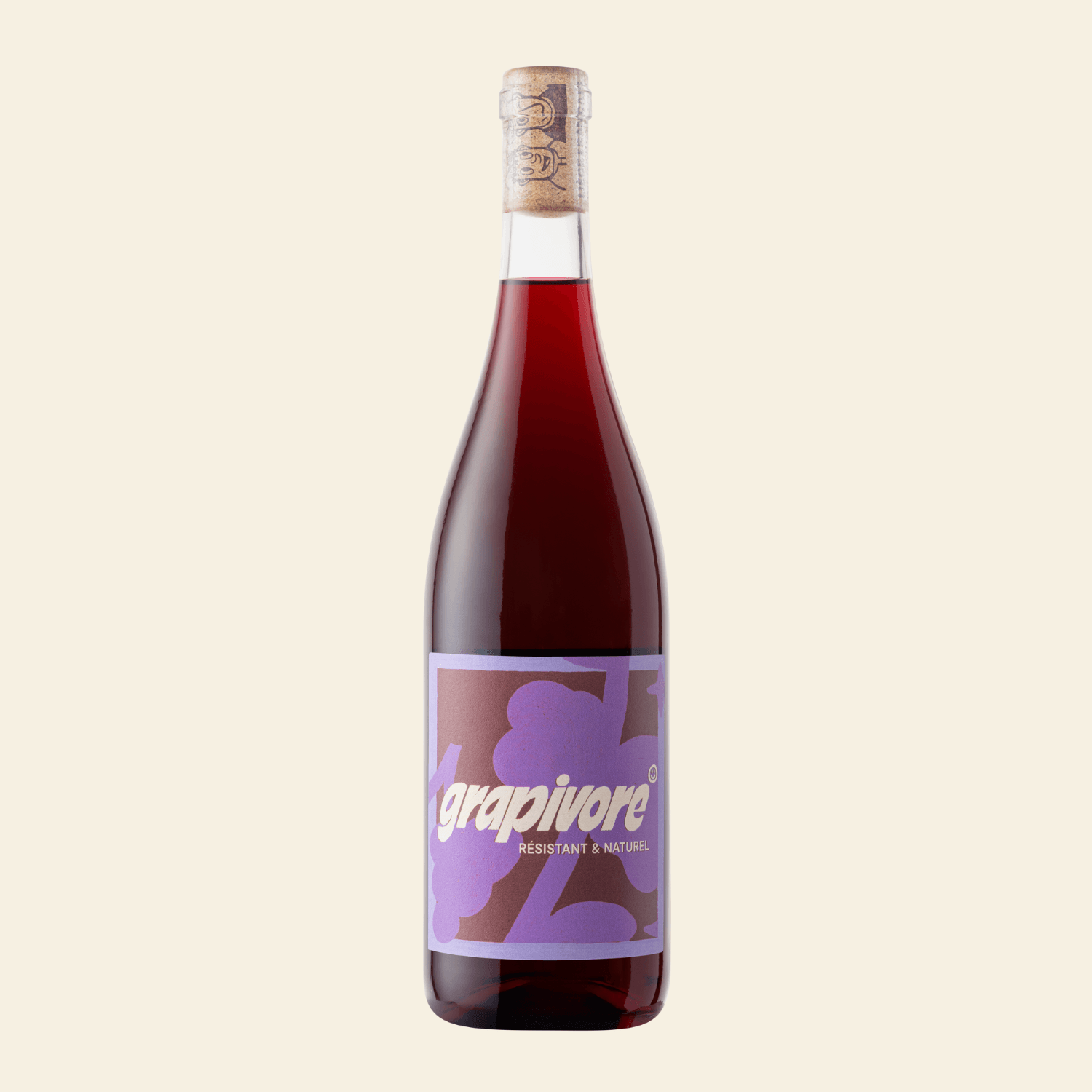
Straightforward, intense wines, where the fruit expresses itself without artifice.
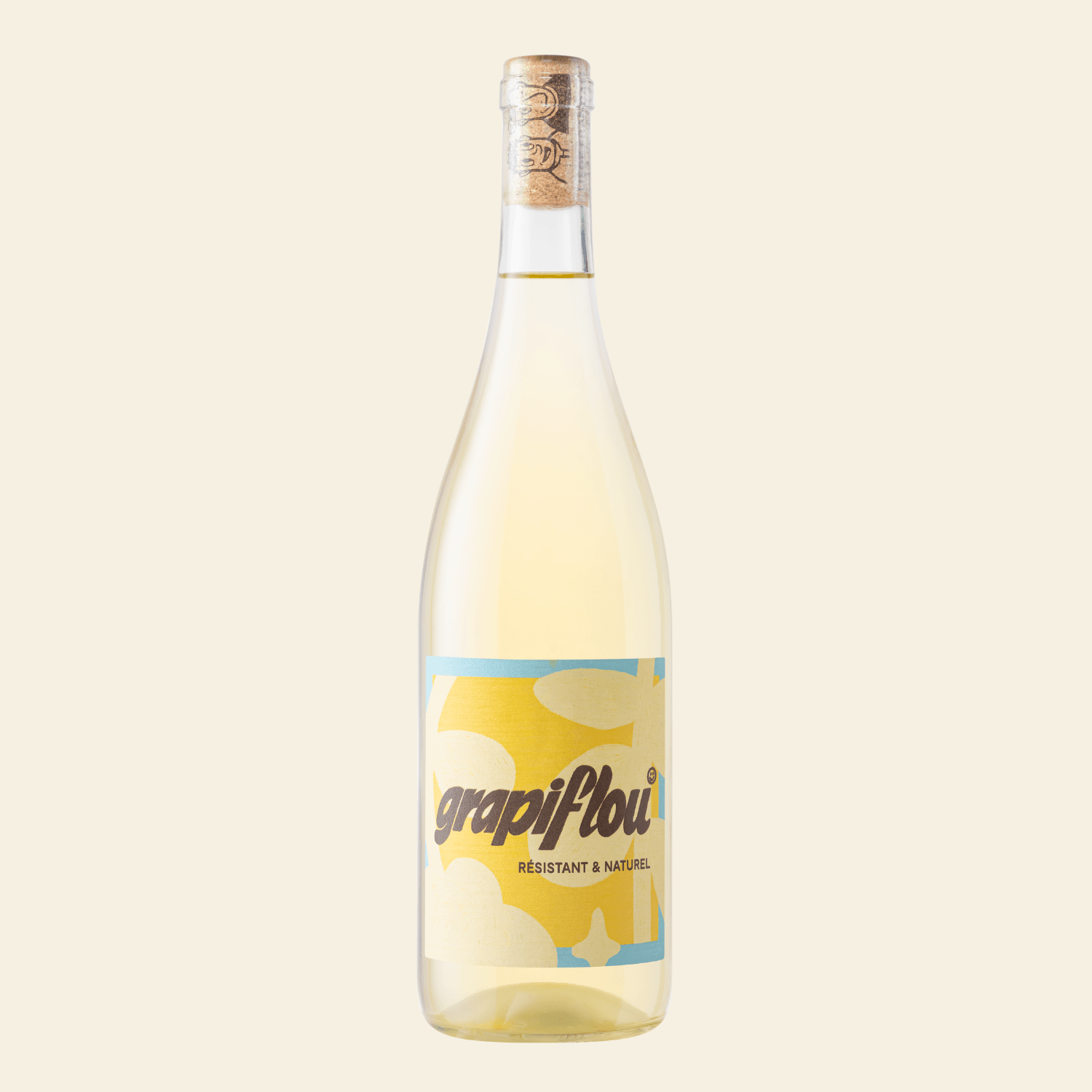
A lively, thirst-quenching natural sparkler that makes you want to keep on drinking.
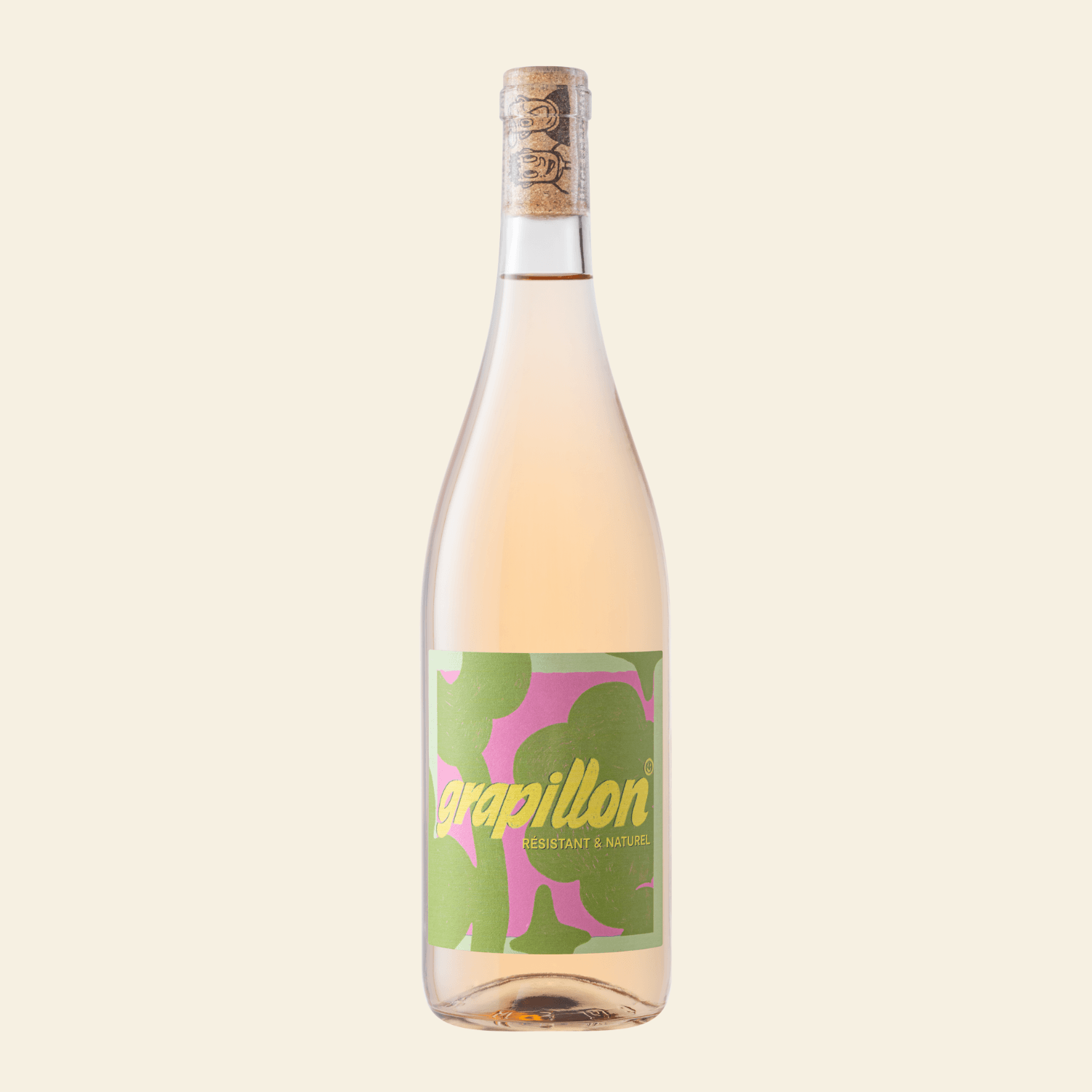
Light, lively wines made with just as much care as the rest!Des vins légers et vivants faits avec autant de soin que le reste !
18,00 €
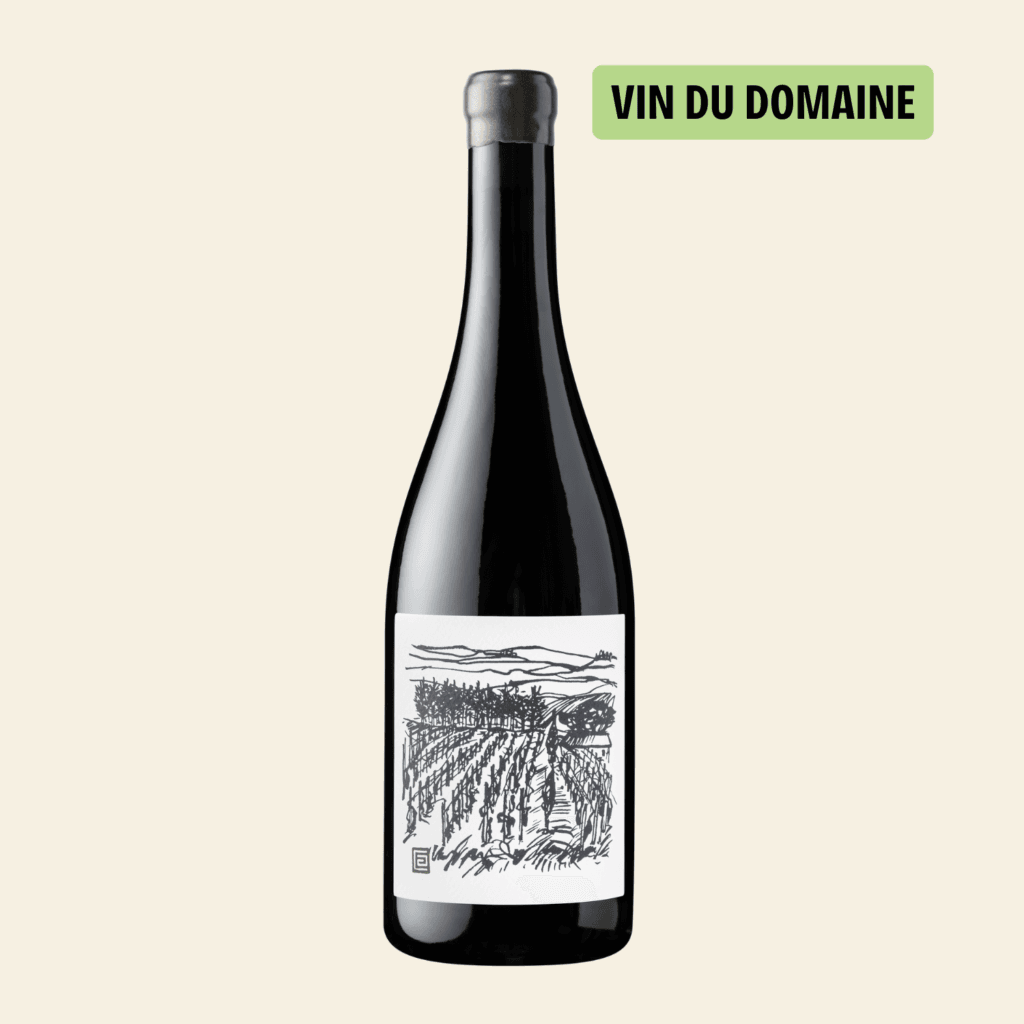
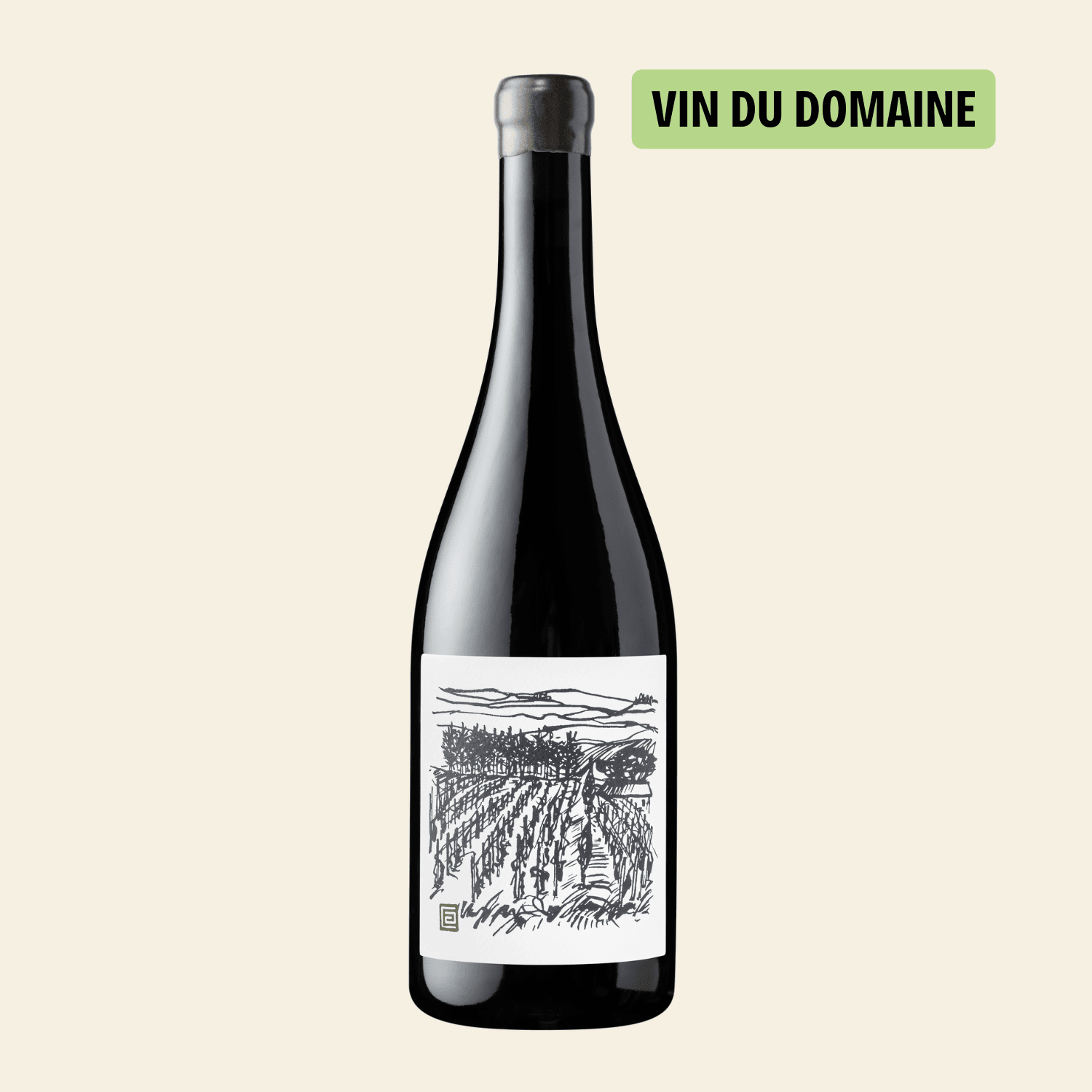
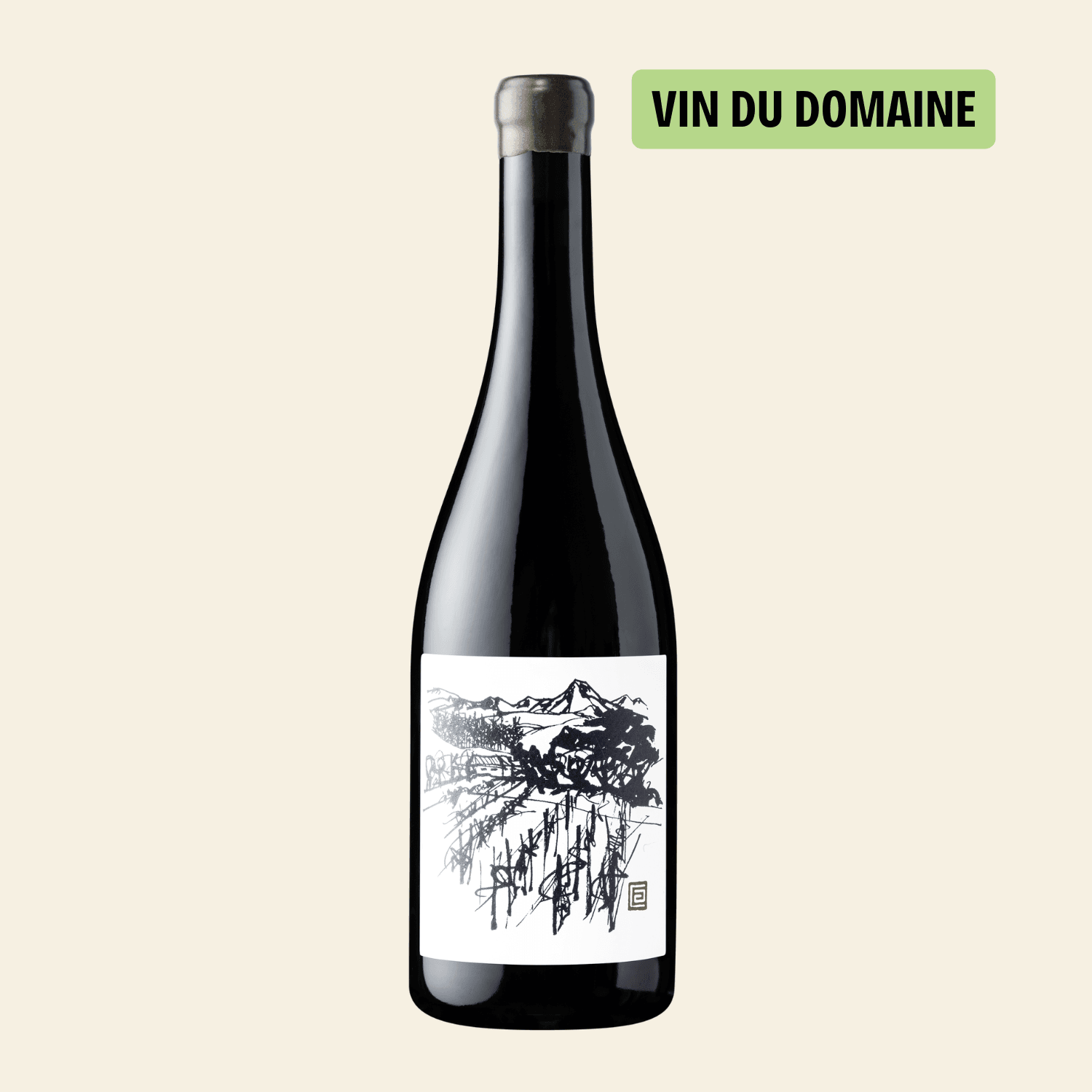
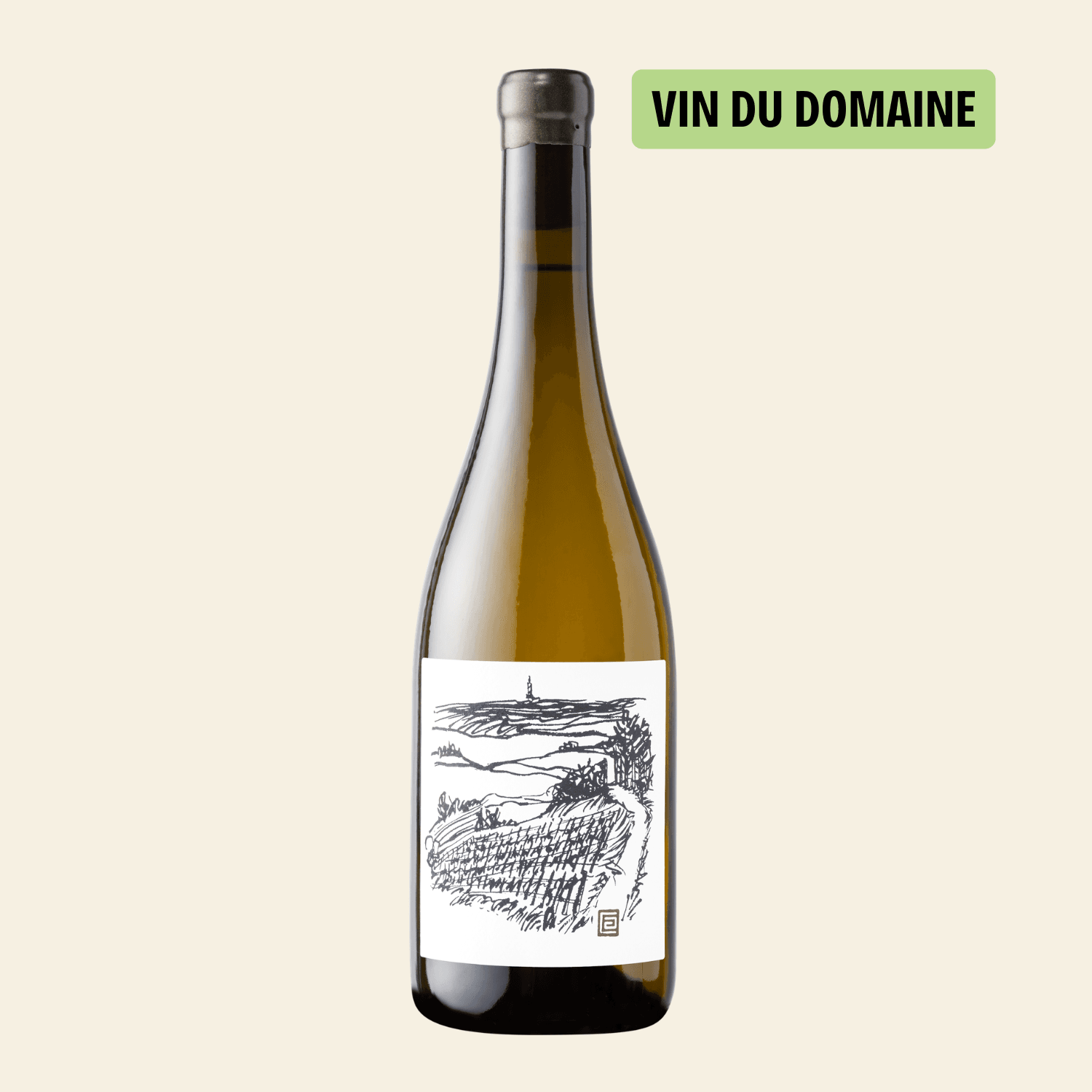
Very Far Ouest is Domaine de Stricou’s signature wine. Made from Cabernet Franc grown on a vineyard at the westernmost edge of the Languedoc, it captures the distinctive character of the Malepère, where Atlantic influences meet the first foothills of the Pyrenees. Deep yet elegant, with remarkable freshness, this wine embodies the harmony between an exceptional terroir and meticulous winemaking.
grape variety
vintage
capacity
name
alcohol
grape variety
vintage
capacity
Name
Alcohol
Varietal specificities
Cabernet Franc thrives in the Malepère, where Atlantic influences temper the Mediterranean heat and create particularly favourable growing conditions. Here, it develops a refined expression, with natural freshness balancing the concentration of the fruit. Renowned for its elegance, it reveals aromas of dark fruit, flowers and spices, underpinned by fine-grained tannins and excellent ageing potential. At Stricou, it takes on a distinctive identity, combining depth, precision and remarkable drinkability.
Vinification & ageing
The grapes are divided between two complementary winemaking methods to reveal the full richness of the Cabernet Franc. One portion undergoes whole-cluster carbonic maceration in a truncated-cone oak vat, bringing aromatic vibrancy and finesse. The remaining grapes are destemmed and vinified traditionally in stainless steel tanks. Fermentation takes place with indigenous yeasts, after which the wines are blended and aged for 9 months in an egg-shaped concrete vessel inspired by ancient Roman amphorae. A 500-litre demi-muid is also used during maturation, adding structure, complexity and balance.
TASTING NOTES
Appearance: Deep red with garnet highlights.
Nose: Intense and complex, with aromas of dark fruit (blackcurrant and blackberry), black cherry and violet, enhanced by notes of pepper, Mediterranean herbs and a delicate touch of oak.
Palate: The opening is generous and precise. The tannins are fine and beautifully integrated, supported by the vibrant freshness characteristic of Cabernet Franc. Ageing adds depth without overshadowing the fruit. The finish is long, elegant and subtly spicy.
food & wine pairing
Very Far Ouest pairs beautifully with bold, flavourful dishes and generous cuisine: duck breast, herb-crusted rack of lamb, porcini mushroom risotto…
packaging
Bottled in the lightest glass available on the market, sealed with locally sourced cork from the forests of Roussillon and natural wax instead of an aluminium capsule, and finished with a label made from alternative-fibre paper.
Ten times fewer treatments than organic for healthy vines and reduced ecological impact.
Alternative fiber labels, lightweight bottles and wax instead of plastic.
Native yeasts, zero inputs and zero sulfites for free, lively wines.
New hives to protect bees and preserve biodiversity.
EMBALLAGES ÉCO-COnçu
sans sulfites
bon vivant
viticulture engagée
apéro qui durent
Vins de demain
EMBALLAGES ÉCO-COnçu
sans sulfites
bon vivant
viticulture engagée
apéro qui durent
Vins de demain
Recommendations
La Faq
A resistant grape variety is a natural cross resulting from manual pollination between a European vine (Vitis Vinifera) with recognized oenological aptitudes and a wild American vine (Vitis Rupestris) resistant to the diseases powdery mildew and downy mildew. A kind of super-organic!
No. All our wines are vinified with indigenous yeasts, naturally present in the grapes. This is easy to do with our resistant grape varieties, as they are rarely treated and their natural yeasts are thus preserved.
So we don’t need to add any inputs. The natural acidity of our resistant grape varieties, combined with meticulous cellar management, means we can avoid adding sulfites to our wines.
Organic wine complies with precise viticultural specifications, but still allows certain inputs during vinification.
Natural wine, on the other hand, goes one step further: it is organic and no additives are used during vinification.
Yes, 100%. We use:
The lightest bottle on the market (370 g), made less than 80 km from the vineyard.
French cork, from forests in Roussillon.
Natural wax, instead of aluminum capsules.
Labels made from recycled fibers (sugar cane, hemp, flax).
Even our cardboard boxes are recycled!