Pét-nat or pétillant naturel: what exactly is it?

Pét-nat, short for pétillant naturel, is a sparkling wine bottled before its fermentation has finished. Ancestral method, taste, how it differs from other bubbles: we explain everything.
Pierre & Antonin

Published on 19 Nov 2026

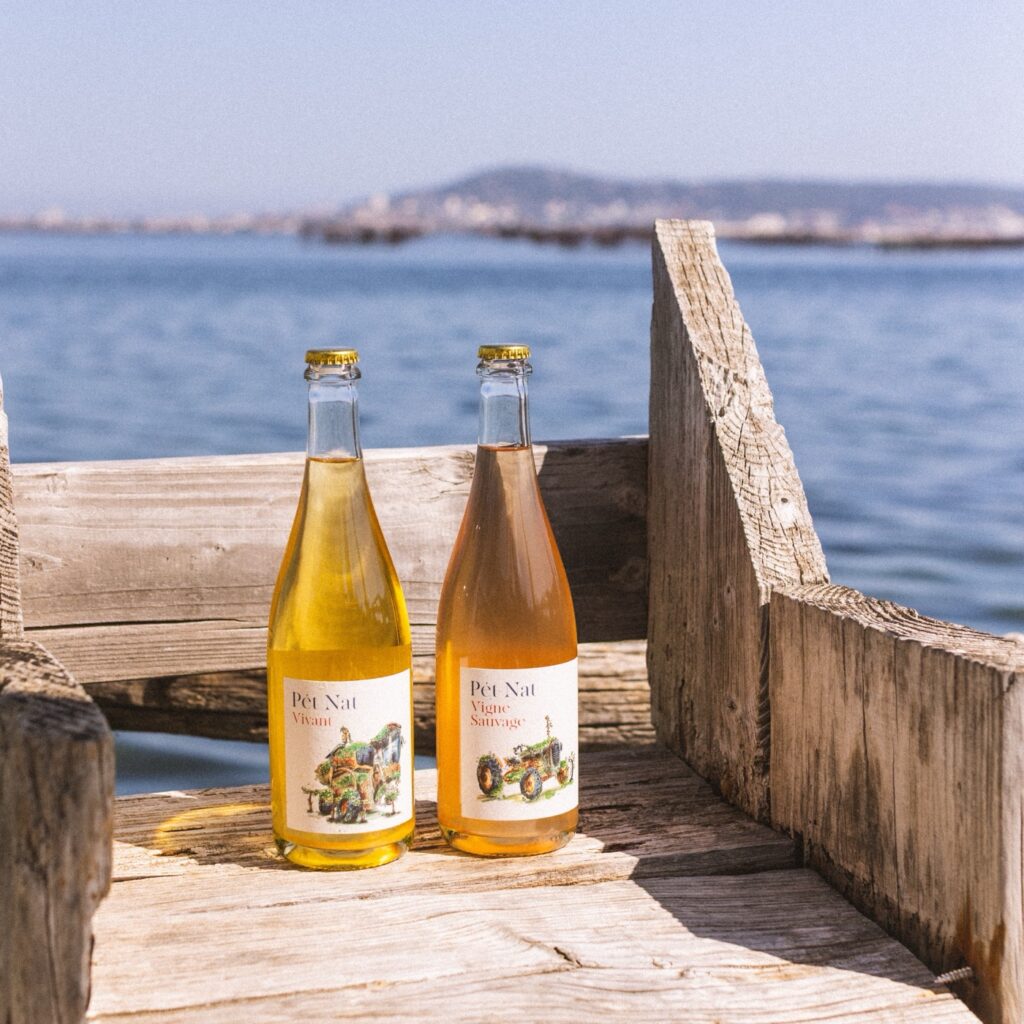
Deux bouteilles de Pét-Nat Pierre & Antonin, Vivant et Vigne Sauvage, sur un ponton au bord de l’eau

In this article

Our wines

Natural, organic wines from resistant grape varieties.

In short

  1. Pét-nat = pétillant naturel: a sparkling wine made using the ancestral method.
  2. A single fermentation, which starts in the tank and finishes in the bottle.
  3. No added sugar or yeast to make the bubbles: they come from the grapes themselves.
  4. Fine, light bubbles, and a wine that is often slightly cloudy, fruity and very refreshing.

What is pét-nat?

“Pét-nat” is the nickname of pétillant naturel, French for “naturally sparkling”. It is a sparkling wine made using the oldest way of making bubbles: the ancestral method. You may also see it written pet nat, pet-nat or petnat: it is the same thing.

The idea fits in one sentence: the wine is bottled before it has finished fermenting. The fermentation ends inside the sealed bottle, and the gas it produces, unable to escape, becomes the bubbles.

This method was born in our corner of the Languedoc: according to tradition, the monks of the Abbey of Saint-Hilaire, near Limoux, in 1531, made one of the first known sparkling wines.

How is pét-nat made?

Here is how we make our pét-nat, in four steps:

Fermentation starts in the tankThe grape juice ferments thanks to native yeasts, naturally present on the grapes and in the cellar.
We slow it down with coldWhen the balance is right, we chill the wine: the yeasts go to sleep and some natural grape sugar remains.
BottlingThe wine is bottled with this residual sugar, then sealed, usually with a crown cap.
The bubbles are bornAs it warms up, the yeasts wake up, finish the sugar and produce gas, which stays trapped in the bottle.

No added sugar, no added yeast, no injected gas: the bubbles come from the grapes alone. That is what makes pét-nat the most “natural” of sparkling wines.

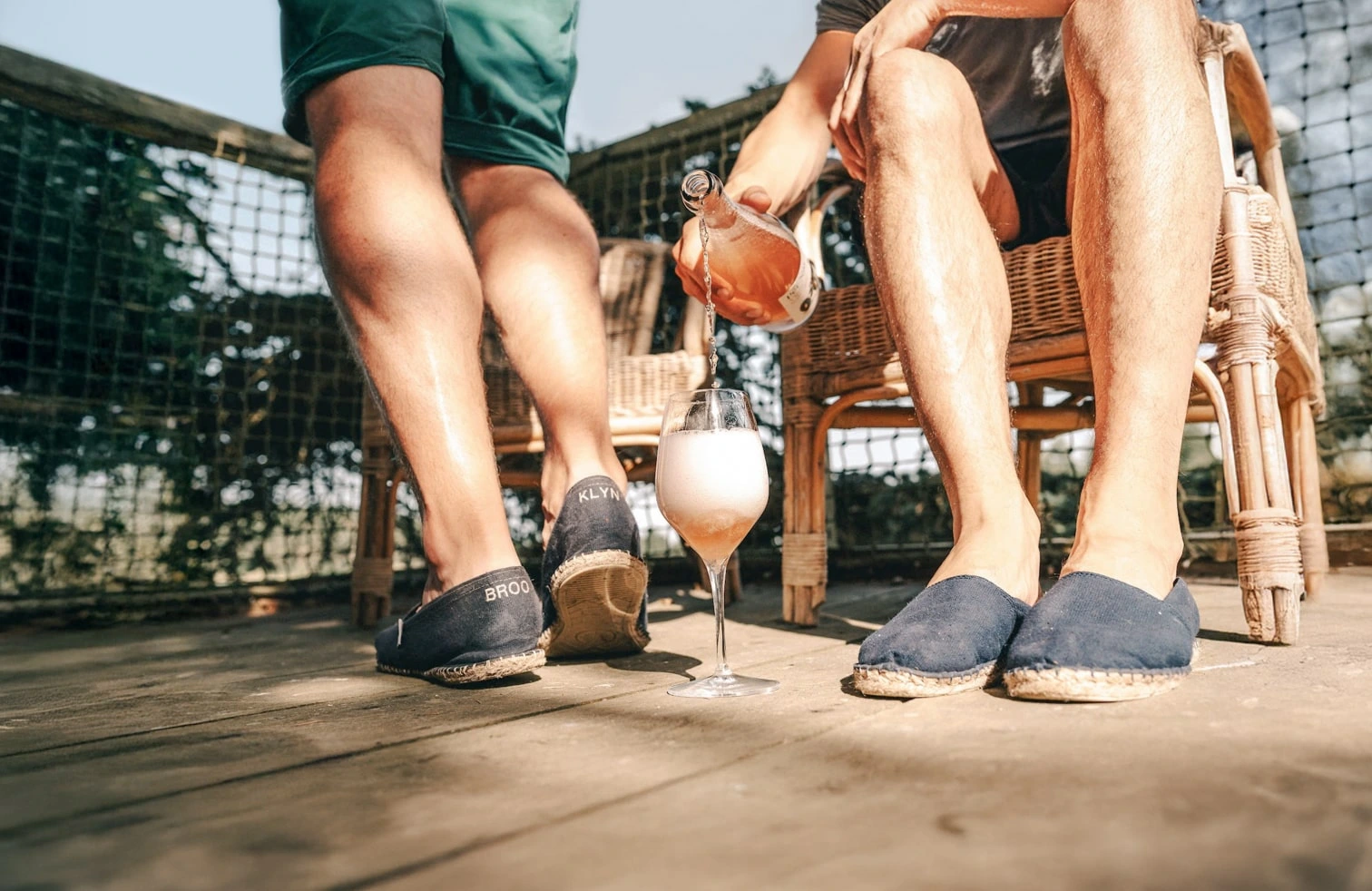
A glass of rosé pét-nat being poured on a terrace, with its foam
A generous foam when poured, then fine bubbles on the palate.

Pét-nat or traditional method: what is the difference?

Most great sparkling wines are made using the traditional method. It produces excellent wines, but it takes a very different path:

Pét-nat (ancestral method)Traditional method
FermentationsJust one, which finishes in the bottleTwo: a still wine, then a second fermentation in the bottle
What is added for the bubblesNothing: it is the grapes’ own sugarA “liqueur de tirage”: sugar and yeast
After the bubblesDisgorged or not, depending on the winemakerDisgorged, then often “dosed” with a sweet liqueur
The bubblesLess pressure: lighter, softer bubblesMore pressure: livelier, tighter bubbles
The tasteFruity, crisp, sometimes slightly cloudyMore brioche and dried-fruit notes, from ageing

And prosecco? It is usually made using the tank method: its second fermentation takes place in a large sealed tank, before bottling. Yet another way of doing things.

Why is my pét-nat cloudy?

It is normal, and actually a good sign! During the fermentation in the bottle, the yeasts finish their work and then settle: these are the lees.

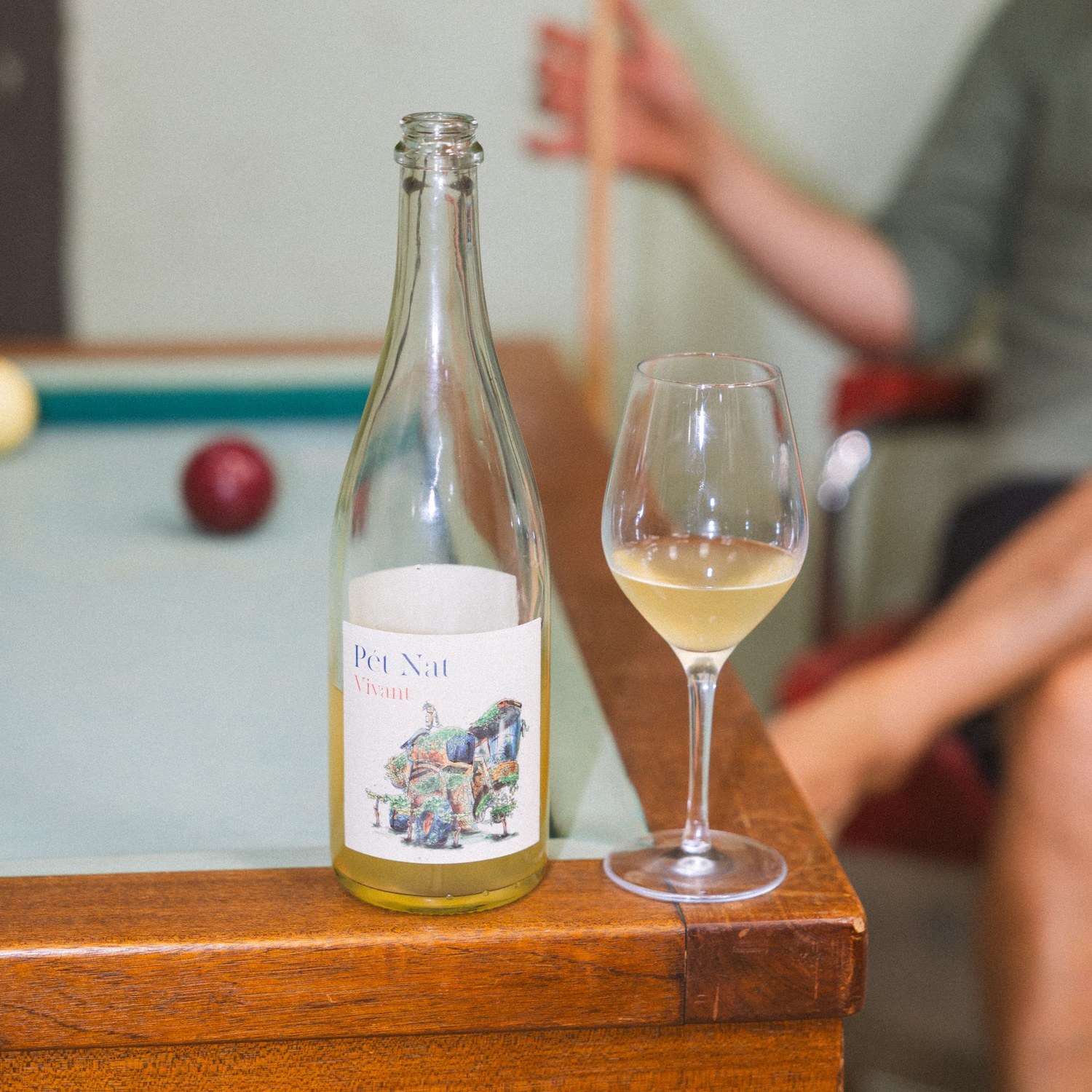
The winemaker then has a choice. They can disgorge the wine, removing this sediment to get a clear wine. Or leave it as it is: the wine keeps a slight haze and a richer texture. Our Pét-Nats Vivant and Vigne Sauvage are not disgorged: this slight haze is their signature.

A bottle of Pét-Nat Vivant and a glass, with a slightly hazy colour
A pale, slightly hazy colour: the mark of an undisgorged wine.

A tip: stand the bottle upright for a few hours before serving if you prefer a clearer wine. Turn it gently upside down if you want to enjoy all its texture.

What does pét-nat taste like, and how should you serve it?

Pét-nat is above all a thirst-quenching wine: fruity, fresh, with softer bubbles than you might expect. Depending on the grape and the winemaker, it can be white, rosé, orange or even red, and more or less dry.

  • Serve it well chilled, straight from the fridge.
  • Open it gently: it is a living wine, which can foam when opened if it is not cold enough.
  • Drink it young, to enjoy all its freshness.

With food, it goes with almost everything: aperitifs, tapenade, vegetable tempura, sushi, gyoza, melon and cured ham, fruity desserts…

Our resistant grape pét-nats

Our two Pét-Nats are made using the ancestral method, from resistant grape varieties: varieties that naturally resist vine diseases and need up to 10 times fewer treatments than organic farming.

Pét-Nat Vivant

White · 100% Souvignier Gris

An ultra-refreshing white, with a foam reminiscent of a craft beer. White flowers, white peach and citrus on the nose.

€14

See Pét-Nat Vivant

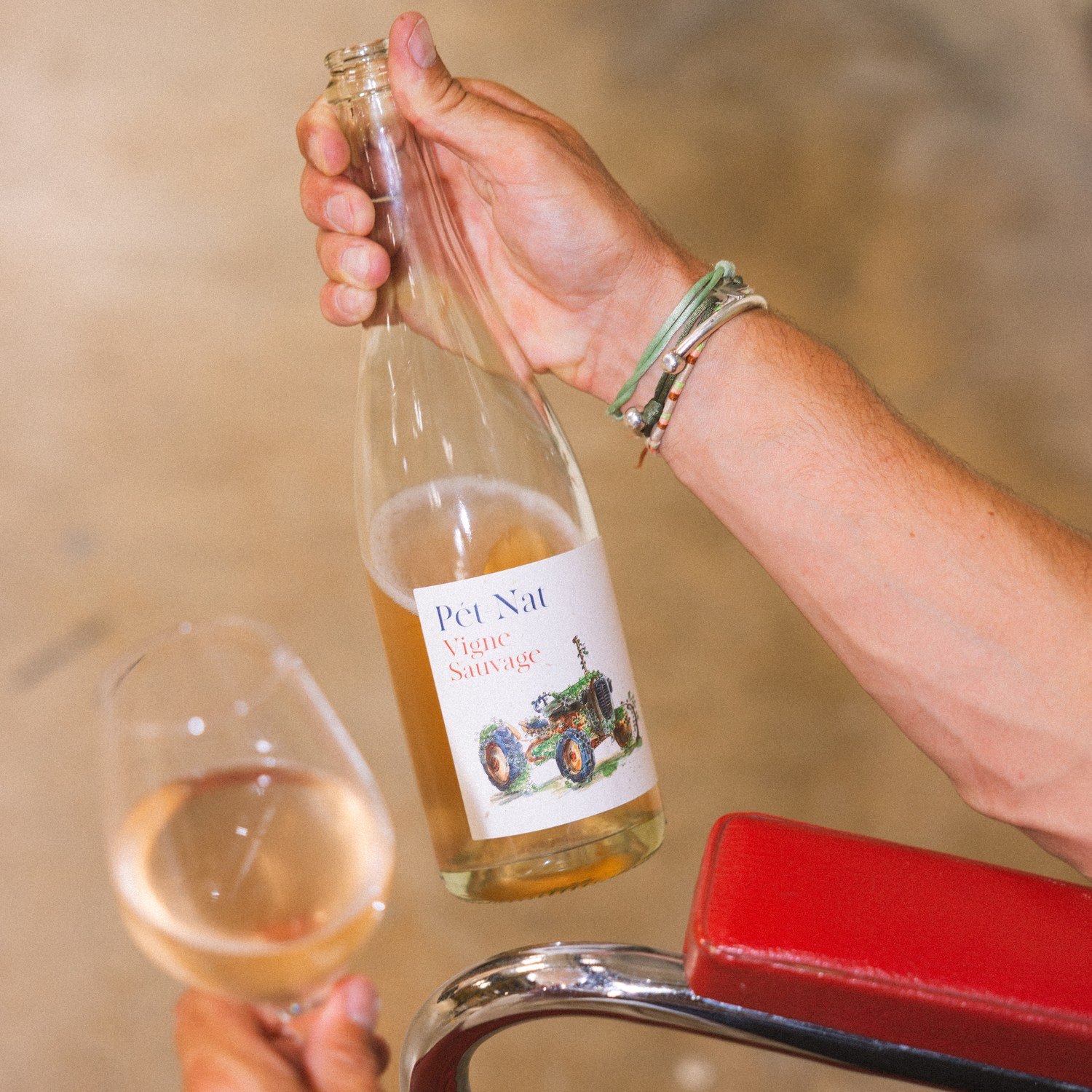
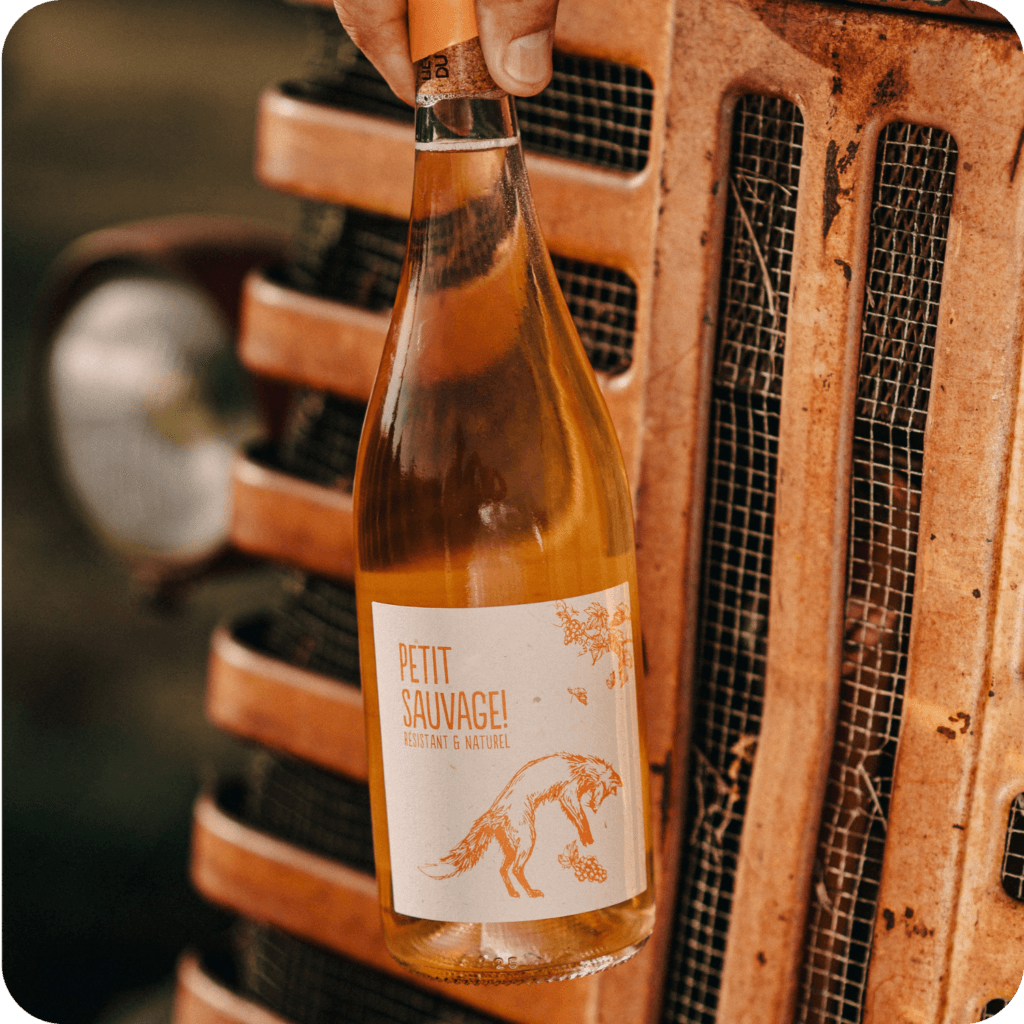
Pét-Nat Vigne Sauvage

Rosé · 100% Vidoc

A vibrant rosé with a pale, hazy colour. Wild strawberry, small red fruits, fine bubbles and a slightly saline finish.

€14

See Pét-Nat Vigne Sauvage
Pouring a glass of rosé Pét-Nat Vigne Sauvage
Pét-Nat Vigne Sauvage, our Vidoc rosé.

Frequently asked questions about pét-nat

Pet nat: what is it?

“Pet nat” (or pét-nat) is short for “pétillant naturel”, French for naturally sparkling: a sparkling wine made using the ancestral method. It is bottled before its fermentation has finished; the fermentation ends inside the bottle and creates the bubbles.

Prosecco gets its bubbles in a large sealed tank (the tank method) before being bottled. Pét-nat goes through just one fermentation, which finishes directly in the bottle, with no added sugar or yeast.

Not necessarily. “Pétillant naturel” has no official definition: the term describes a way of making bubbles, not a way of growing grapes or making wine. But many pét-nats, like ours, are made from organic grapes with native yeasts, in the spirit of natural wine.

Somewhere cool and dark, preferably upright so the sediment stays at the bottom. It is a wine to drink young: it is not made to age for years in a cellar.

Taste our Pét-NatsVivant (white) and Vigne Sauvage (rosé), two resistant grape sparkling wines.
See our Pét-Nats

The news

The story
around the vineyards