What is orange wine? The simple definition
Orange wine has nothing to do with the fruit. It is a white wine made with skin maceration: the grape juice stays in prolonged contact with the skins of the white grapes, exactly as for a red wine.
This contact extracts pigments, tannins and aromatic compounds that you do not normally find in a classic white wine. The result: a colour ranging from golden yellow to amber brown depending on the length of maceration, a slightly tannic texture, and intense aromas of nuts, dried apricot, tea and spices.
It is also called amber wine or skin-contact wine. But behind all these names, the principle is the same: let the skins do their work.
The origins of orange wine: a 5,000-year-old tradition
Orange wine is not a trend invented by Parisian wine bars. It is one of the oldest winemaking methods in the world.
In Georgia (Caucasus), winemakers have practised skin maceration for at least 5,000 years, in large clay jars buried in the ground called qvevri. The grapes, skins included, ferment and macerate in these sealed amphorae throughout the winter. This technique has been on UNESCO’s Intangible Cultural Heritage list since 2013.
It almost disappeared with the industrialisation of wine in the 20th century, before being rediscovered in the 1990s by natural winemakers in Friuli (northern Italy), notably Josko Gravner and Stanko Radikon, and then adopted across Europe, including France.
Today, orange wines are a dynamic niche, driven by a generation of drinkers looking for wines with character, traceability and little chemical intervention.
How is orange wine made? Skin maceration explained
Making an orange wine comes down to one big difference compared with a classic white: the juice is not separated from the skins before fermentation.
Here are the main steps:
- Harvest — the white grapes are picked whole or lightly destemmed
- Maceration — juice and skins ferment together, from a few days to several months depending on the style
- Pressing — the pomace (skins and seeds) is separated from the wine
- Ageing — often in tank, barrel or amphora, with little added sulphur
- Bottling — usually unfiltered, to preserve the aromas
The longer the maceration, the more coloured, tannic and structured the wine. A short maceration (2–5 days) gives a lighter wine, almost amber-pink. A long maceration (several weeks or months) produces a dense, oxidative wine with aromas of dried fruit and spice.
Most orange wines are made without oenological additives or with very little sulphur, which brings them close to the natural wine movement.
Orange wine at Pierre & Antonin: Petit Sauvage
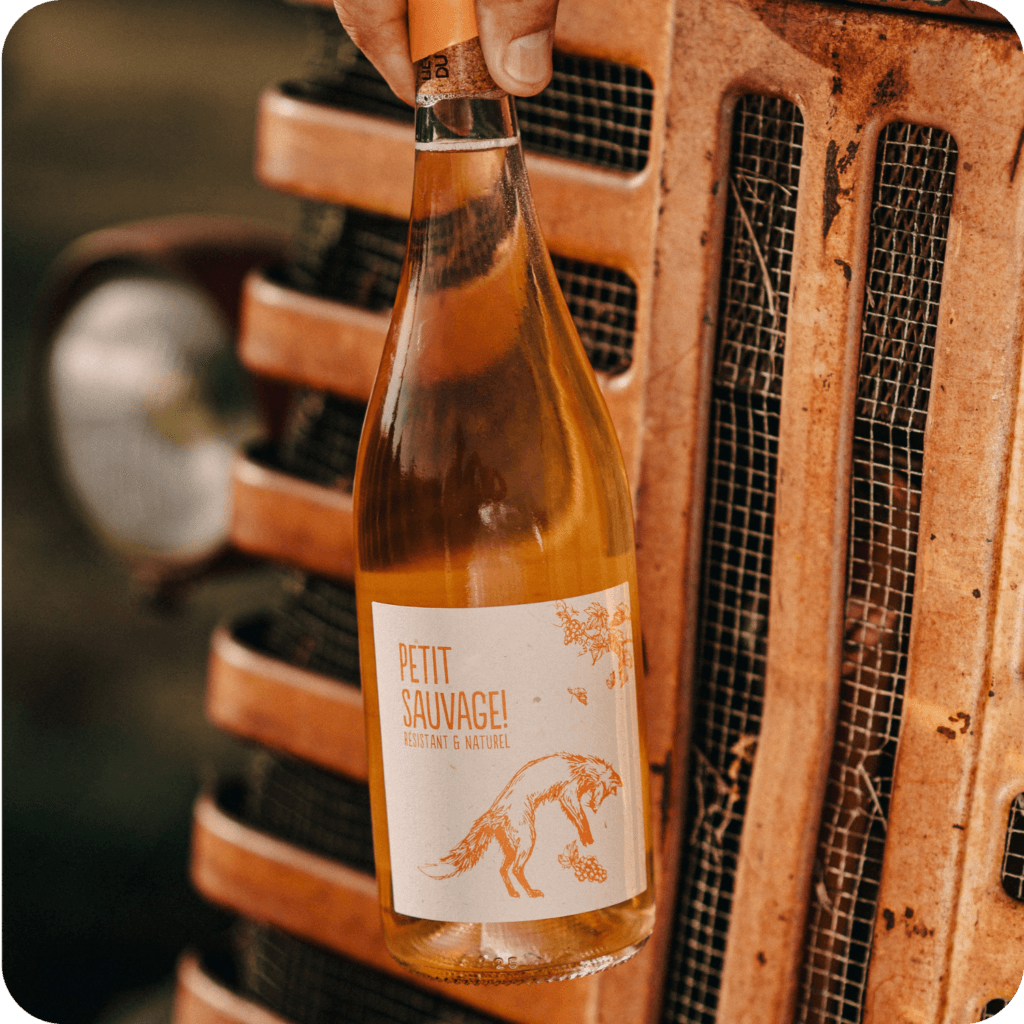
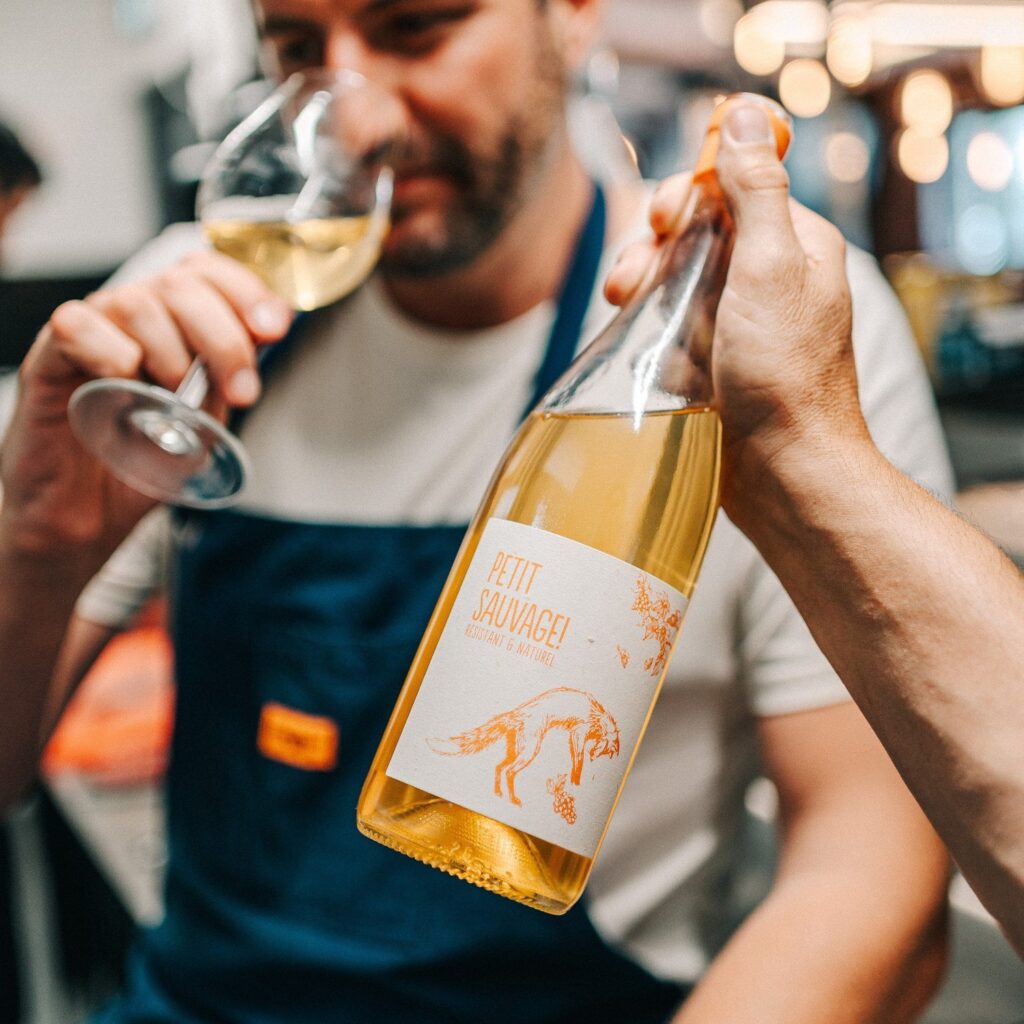
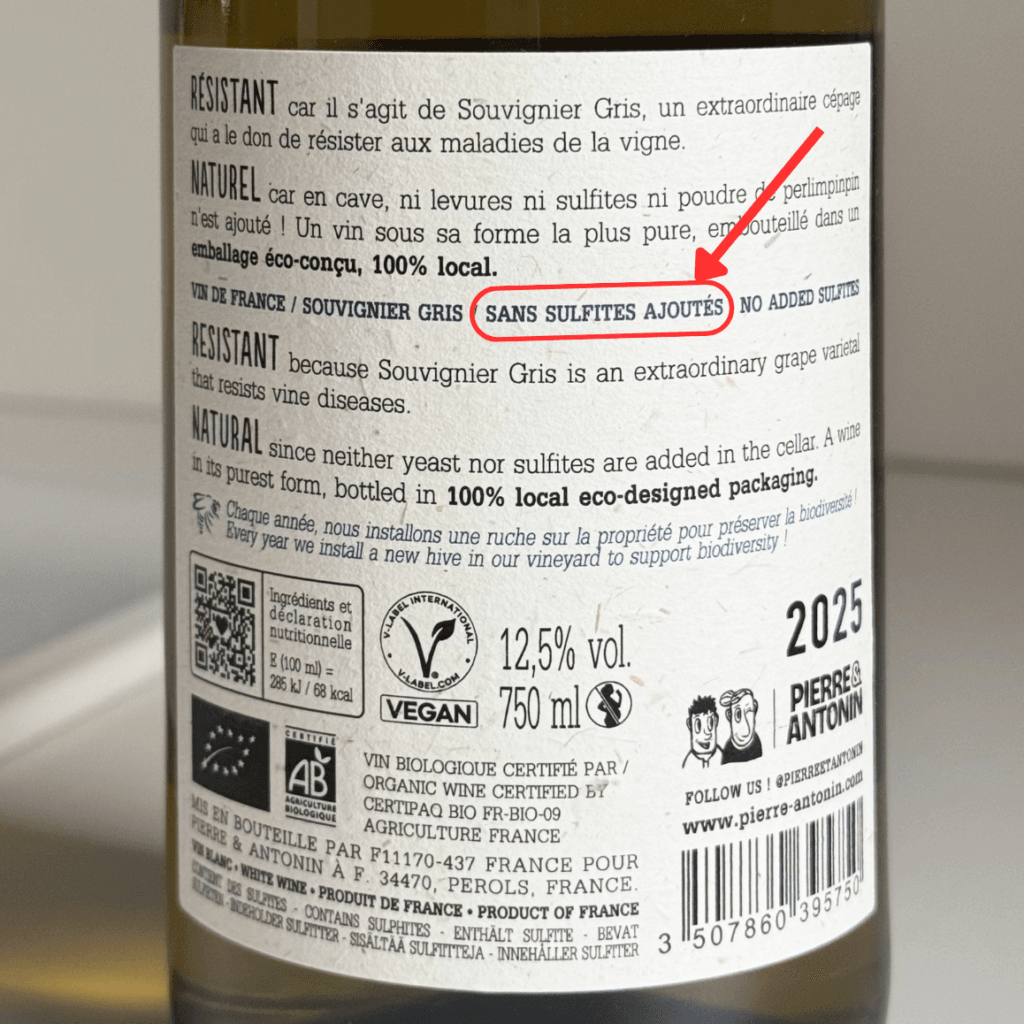
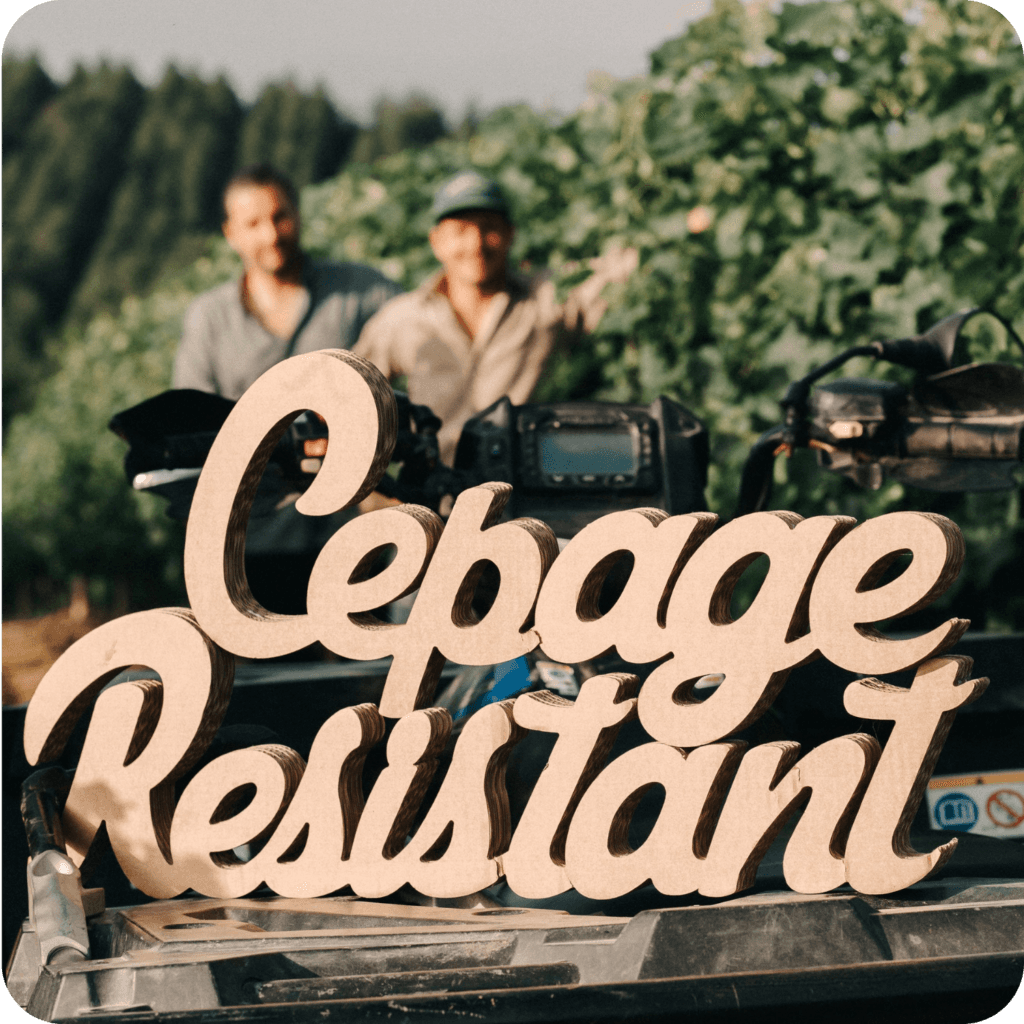
At Pierre & Antonin, our orange wine is called Petit Sauvage. It is made from Souvignier Gris, a resistant grape variety that naturally produces thick-skinned grapes, ideal for a beautiful skin maceration.
Souvignier Gris is a PIWI variety (pilzwiderstandsfähig), meaning it resists fungal diseases such as downy and powdery mildew. It needs far fewer fungicide treatments, which fits our organic viticulture and our wish to work the vines as naturally as possible.
Petit Sauvage stands out for:
- A bright golden-amber colour
- Aromas of white peach, dried flowers and a light touch of spice
- A generous palate, with discreet tannins and a fresh finish
It is a wine that surprises at every tasting, and often wins over the most sceptical drinkers.
What to drink orange wine with? Our favourite food pairings
Thanks to its tannic structure and complex aromas, orange wine pairs much better than a classic white with spicy dishes, slow-cooked food and even some cheeses.
Our favourite pairings with Petit Sauvage:
- Middle Eastern food — tagines, hummus, za’atar, spiced roast vegetables
- Asian food — vegetarian curries, ginger-fried tofu, spring rolls
- Charcuterie and terrines — it stands up to strong flavours without overpowering them
- Hard cheeses — Comté, Tomme, Cantal — a classic pairing usually reserved for reds
- Mushrooms — risotto, sautéed, mushroom tart — the umami notes answer each other beautifully
Serve slightly chilled, between 12 and 14°C. Avoid serving it too cold (like a classic white): the aromas would close up. A light 15-minute decanting is welcome for bottles just out of the fridge.
FAQ — Your questions about orange wine
Sources:
- UNESCO — Intangible Cultural Heritage: Georgian qvevri winemaking (2013)
- PIWI France — official list of approved resistant grape varieties