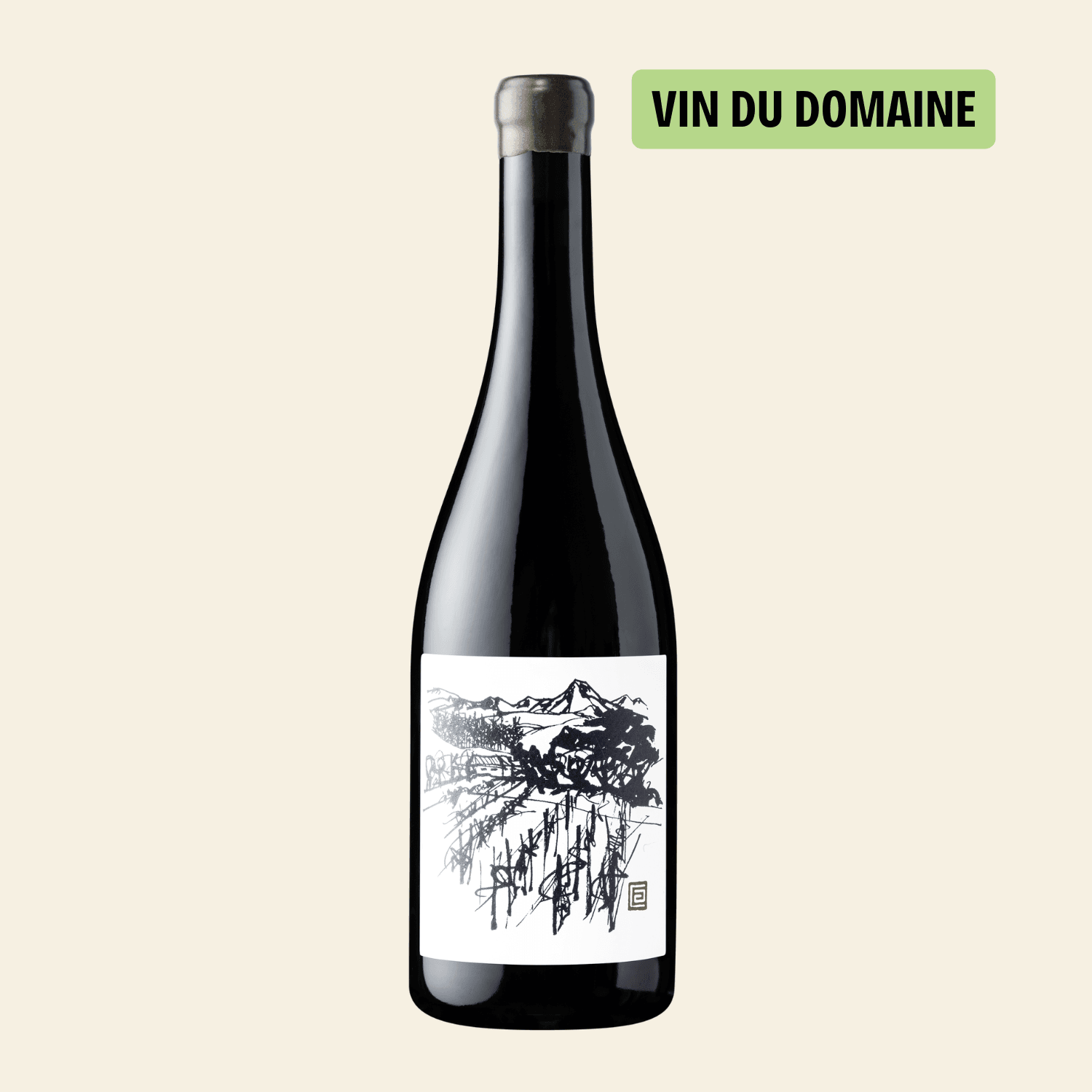
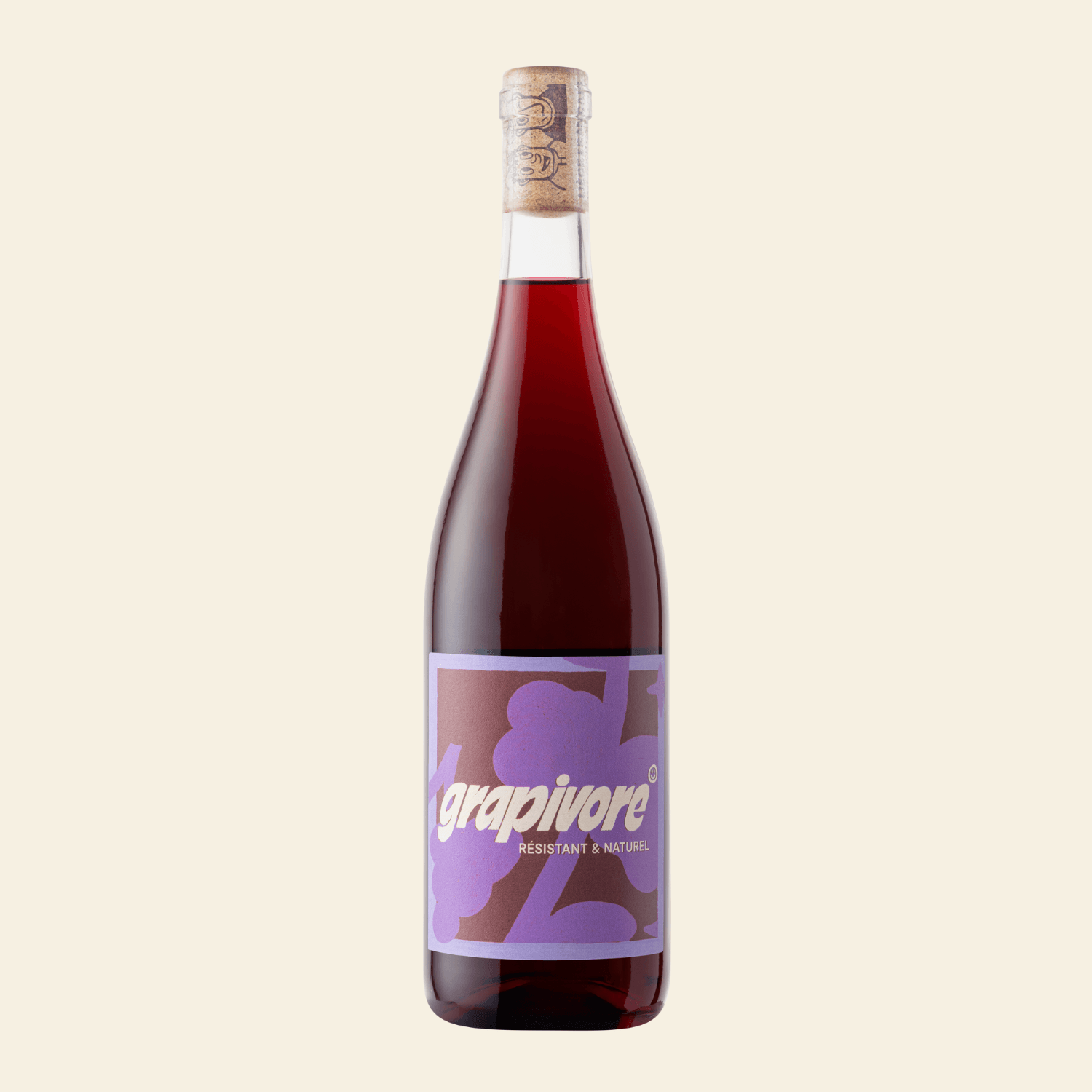
Petit Sauvage Rouge
Diner les petit sauvage rouge
Les petit sauvage - présentation

Petit Sauvage (Red)

12,00 

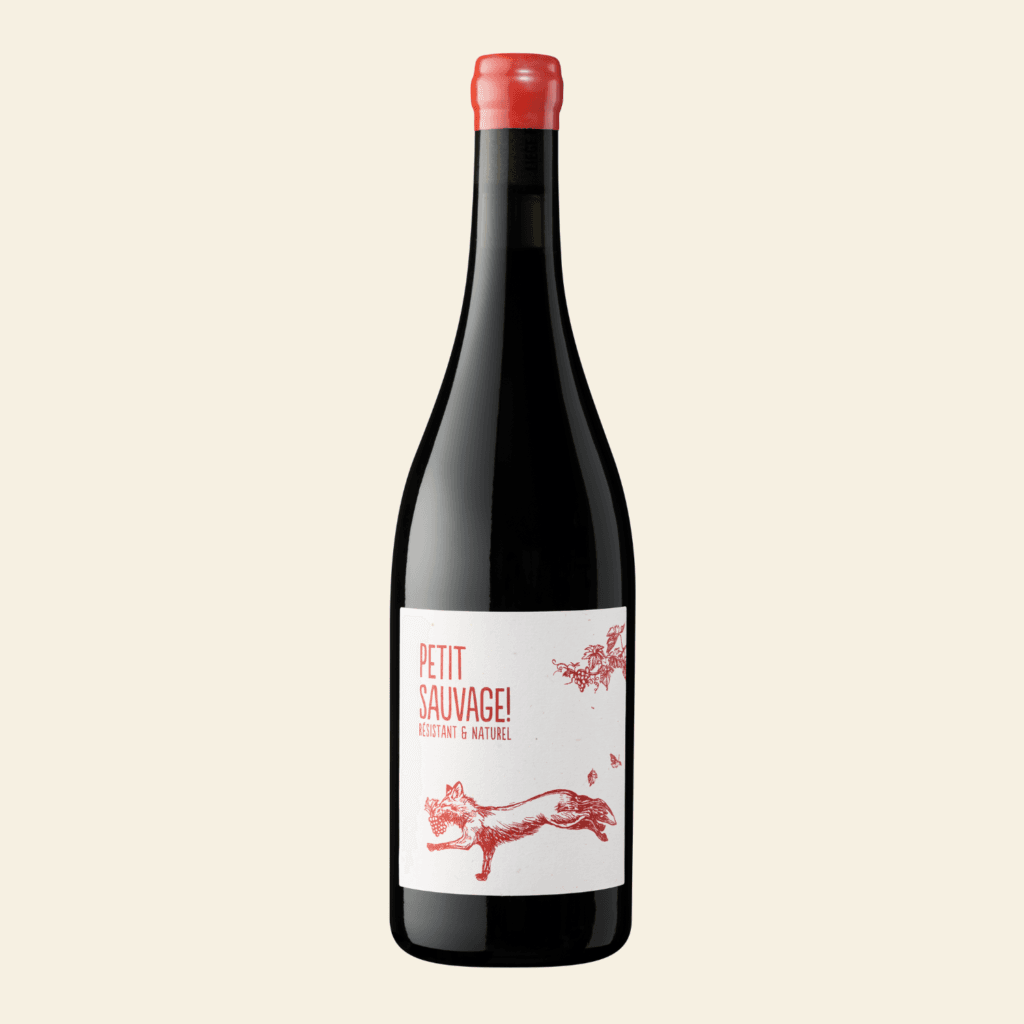
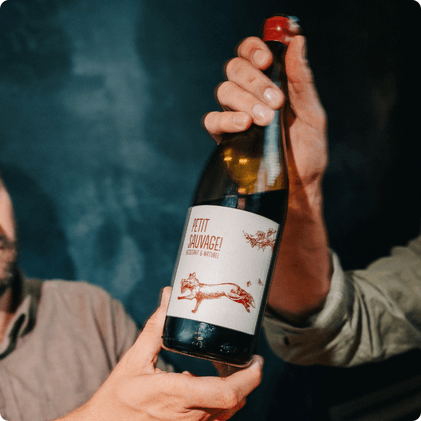
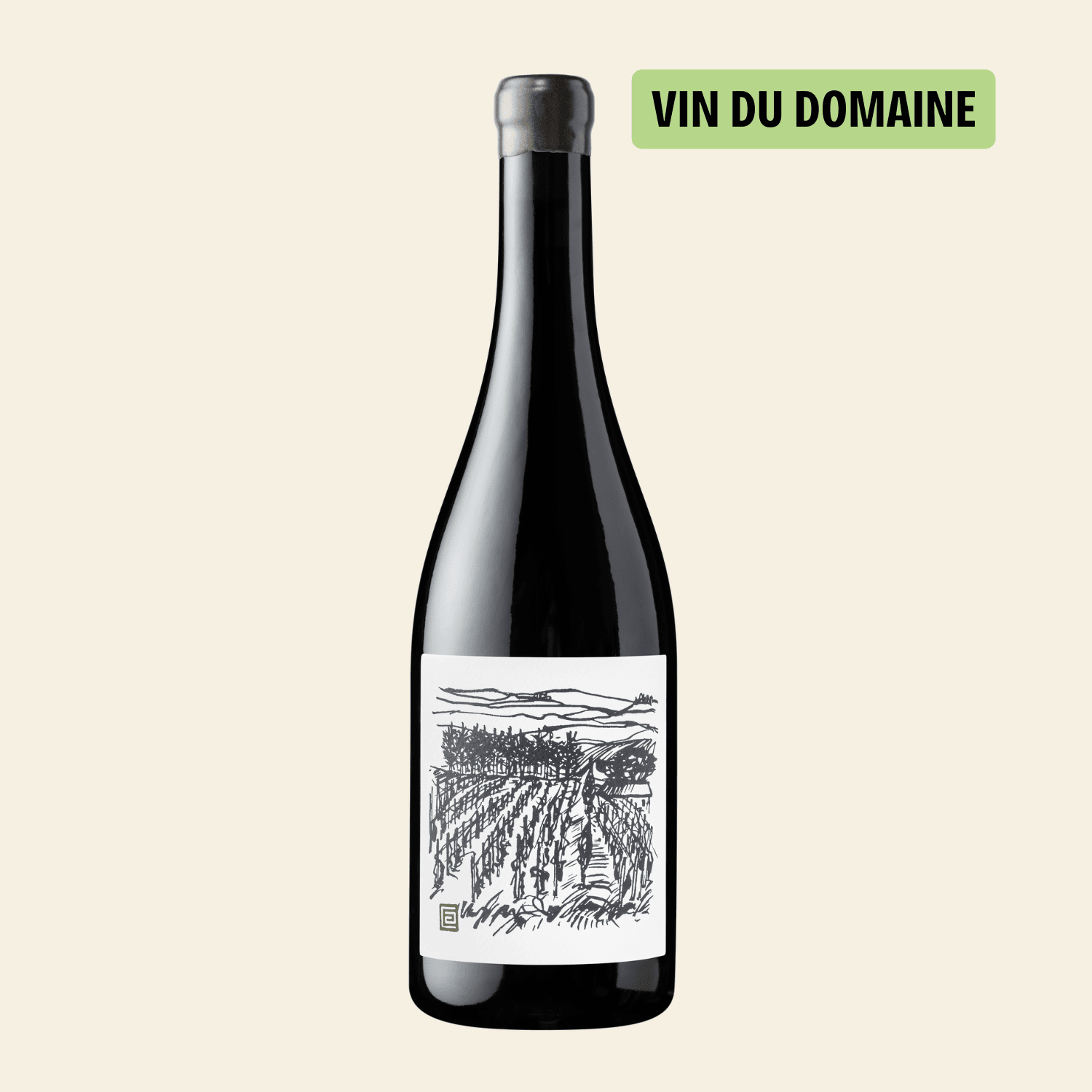
Petit Sauvage Rouge is a free-spirited, juicy red wine made from 100% Cabernet Cortis grapes and vinified without additives.
With ripe black fruit, lovely freshness, and supple tannins, it’s the perfect red wine for sharing!

Technical specifications

grape variety

Cabernet Cortis

vintage

2024

capacity

0.75 cl

name

Vin de France

alcohol

13%

Technical specifications

grape variety

Cabernet Cortis

vintage

2024

capacity

0.75 cl

Name

Vin de France

Alcohol

13%

Varietal specificities

Cabernet Cortis is a resistant grape variety. It is a natural cross between a European vine (Vitis Vinifera) with recognized oenological qualities and a wild American vine (Vitis Rupestris) that is resistant to powdery mildew and downy mildew. Up to 15 times fewer treatments than in organic farming! This results in considerable savings in energy, water, and labor, as well as a significantly reduced carbon footprint.

Vinification & ageing

Cabernet Cortis is harvested at full ripeness. The grapes are placed in raw concrete vats, destemmed, and crushed. A short 10-day maceration preserves the fruit, brightness, and freshness of this wine. Fermentation is carried out using indigenous yeasts, without any additives or sulfites, in order to preserve the pure expression of the grape variety and terroir. The wine is aged in concrete vats for 6 months, allowing it to retain all its energy and aromatic precision.

TASTING NOTES

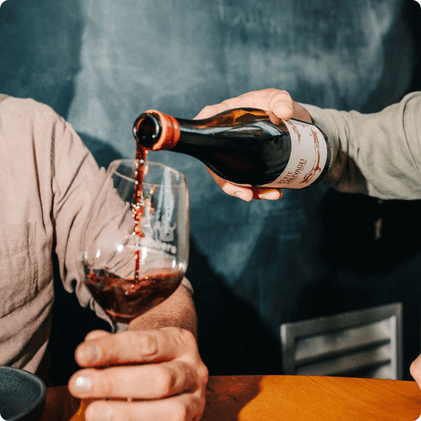
Petit Sauvage Rouge opens with a vibrant nose of ripe black fruits, blending wild blackberry, black cherry, and a hint of blackcurrant. On the palate, the texture is juicy and indulgent, with supple tannins and lovely freshness.

food & wine pairing

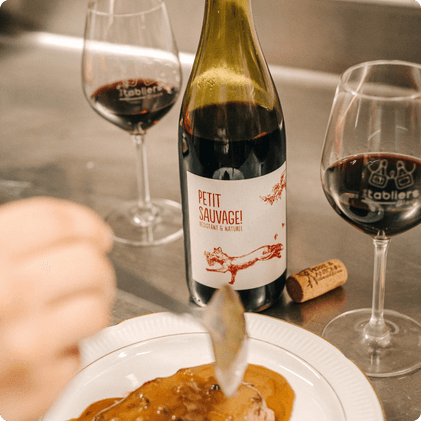
Platter of local charcuterie, braised lamb chops, calzone, or even a cassoulet sandwich!!!

packaging

Bottled in the lightest glass on the market, corked with local cork from the forests of Roussillon, sealed with natural wax instead of an aluminum cap, and labeled with alternative fiber paper.

REASONS FOR A LIGHT-HEARTED TOAST

illustration cépages résistants - pierre et antonin

ultra-resistant grape varieties

Ten times fewer treatments than organic for healthy vines and reduced ecological impact.

Illustration emballages éco-conçu - pierre et antonin

Packaging that breathes

Alternative fiber labels, lightweight bottles and wax instead of plastic.

Illustration vinifications naturelles - pierre et antonin

A 100% natural wine

Native yeasts, zero inputs and zero sulfites for free, lively wines.

Illustration abeilles aux côté de pierre et antonin

Bees at our side

New hives to protect bees and preserve biodiversity.

EMBALLAGES ÉCO-COnçu

sans sulfites

bon vivant

viticulture engagée

apéro qui durent

Vins de demain

Recommendations

and the tour continues!

10,00 

Vidoc
Vin de France
2026
0.75 cl

10,00 

Floréal
Vin de France
2026
0.75 cl

10,00 

Artaban
Vin de France
2026
0.75 cl

13,00 

Muscaris
Vin de France
2025
0.75 cl

6,00 

Artaban
Vin de France
2024
0.75 cl

15,00 

Vidoc
Vin de France
2024
0.75 cl

La Faq

Understanding our wines

A resistant grape variety is a natural cross resulting from manual pollination between a European vine (Vitis Vinifera) with recognized oenological aptitudes and a wild American vine (Vitis Rupestris) resistant to the diseases powdery mildew and downy mildew. A kind of super-organic!

No. All our wines are vinified with indigenous yeasts, naturally present in the grapes. This is easy to do with our resistant grape varieties, as they are rarely treated and their natural yeasts are thus preserved.
So we don’t need to add any inputs. The natural acidity of our resistant grape varieties, combined with meticulous cellar management, means we can avoid adding sulfites to our wines.

Organic wine complies with precise viticultural specifications, but still allows certain inputs during vinification.
Natural wine, on the other hand, goes one step further: it is organic and no additives are used during vinification.

Yes, 100%. We use:
The lightest bottle on the market (370 g), made less than 80 km from the vineyard.
French cork, from forests in Roussillon.
Natural wax, instead of aluminum capsules.
Labels made from recycled fibers (sugar cane, hemp, flax).
Even our cardboard boxes are recycled!

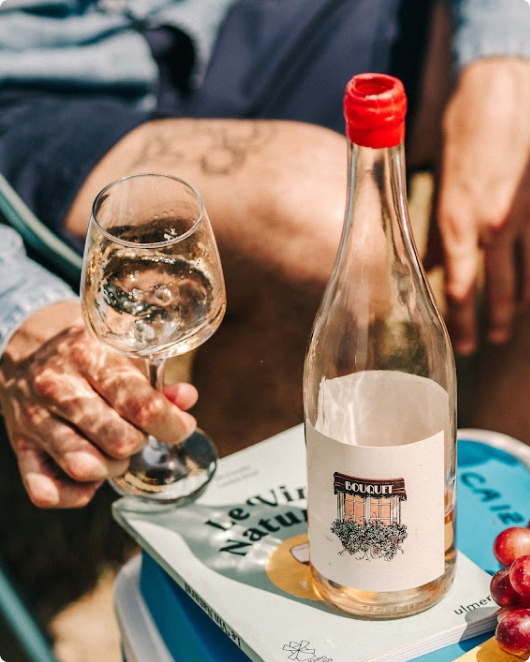
apéro le bouquet - pierre et antonin